

Why Plan Renovations: Ensuring Value and Compliance
For many homeowners in Durham Region, starting a renovation project feels exciting but quickly reveals unexpected complexities. Careful planning raises property value and leads to better quality results, yet common misconceptions about renovation processes can cause costly mistakes. This guide illuminates the different types of Canadian renovations, common errors to avoid, and proven strategies for managing legal, financial, and design considerations so you can achieve lasting improvements in your home.
Table of Contents
- Defining Renovations And Common Misconceptions
- Key Types Of Residential Renovations In Canada
- How Effective Planning Drives Lasting Value
- Legal, Permitting, And Environmental Requirements
- Budgeting, Risks, And Insurance Implications
- Mistakes To Avoid In Renovation Projects
Key Takeaways
| Point | Details |
|---|---|
| Understanding Renovations | Renovations require comprehensive planning and professional expertise, significantly impacting home value and quality of living. |
| Types of Renovations | Canadian homeowners engage in lifestyle, retrofit, and maintenance renovations to address specific improvement needs. |
| Importance of Planning | Effective planning mitigates risks and enhances investment value; allocate at least 20% for contingencies. |
| Avoiding Common Mistakes | Underestimating costs and neglecting permits can lead to significant financial setbacks; professional consultations are crucial for success. |
Defining Renovations and Common Misconceptions
Renovations represent strategic investments that transform living spaces, addressing both functional needs and aesthetic preferences. Unlike simple repairs, home renovations involve comprehensive upgrades that can significantly enhance property value and living quality. Home renovation strategies in Canada encompass multiple approaches, including lifestyle modifications, system retrofits, and maintenance improvements.
Homeowners often misunderstand renovation complexity, assuming it’s a straightforward process of replacing or updating elements. In reality, effective renovations require meticulous planning, professional expertise, and a comprehensive understanding of structural, legal, and design considerations. Common misconceptions include:
- Believing renovations are always quick and simple
- Assuming contractors automatically handle all permitting requirements
- Underestimating the financial investment needed
- Thinking renovations can be completed without detailed planning
Successful renovations involve multiple interconnected phases, from initial concept development to final implementation. Renovation processes typically include project initiation, thorough condition analysis, design development, construction execution, and final refinement. Each stage demands careful coordination, flexibility, and strategic decision-making to achieve desired outcomes.
Pro Tip: Invest time in comprehensive planning before starting any renovation project, as thorough preparation can save significant time, money, and potential frustration.
Key Types of Residential Renovations in Canada
Canadian homeowners engage in diverse renovation strategies, each serving unique purposes and addressing specific home improvement needs. Residential renovation types in Canada can be broadly categorized into three primary classifications: lifestyle renovations, retrofit projects, and maintenance renovations.
Lifestyle Renovations represent transformative changes that adapt living spaces to evolving family requirements. These strategic upgrades often involve:
- Adding new rooms or expanding existing spaces
- Converting underutilized areas like basements or attics
- Creating open-concept living environments
- Enhancing living areas to accommodate changing family dynamics
Retrofit Projects focus on improving a home’s structural efficiency, energy performance, and long-term durability. Key retrofit renovation strategies include:
- Upgrading mechanical systems like heating and cooling
- Enhancing home insulation for better energy efficiency
- Replacing windows and doors to reduce heat loss
- Modernizing electrical and plumbing infrastructure
Maintenance Renovations are essential for preserving a home’s functional integrity and preventing potential structural deterioration. Canadian home improvement trends highlight these critical interventions, which typically encompass:
- Roof repairs and shingle replacements
- Exterior caulking and weatherproofing
- Addressing structural wear and tear
- Fixing minor damages before they escalate
Pro Tip: Prioritize comprehensive planning and professional consultation before initiating any renovation project to ensure optimal outcomes and maximize your investment.
Here is a summary of the three main renovation types common in Canadian homes:
| Renovation Type | Primary Focus | Typical Examples |
|---|---|---|
| Lifestyle Renovation | Adapting space for families | Room additions, open layouts |
| Retrofit Project | Improving energy efficiency | Upgrading insulation, new windows |
| Maintenance Renovation | Preserving structural health | Roof repairs, weatherproofing |
How Effective Planning Drives Lasting Value
Strategic renovation planning is the cornerstone of transforming home improvement projects from simple upgrades to long-term value investments. Green building strategies in Canada emphasize that comprehensive planning goes far beyond aesthetic considerations, focusing on sustainable outcomes that balance immediate needs with future performance.
Successful renovation planning requires a holistic approach that encompasses several critical dimensions:
- Comprehensive project scoping
- Budget allocation and financial planning
- Energy efficiency considerations
- Long-term functionality assessment
- Compliance with local building regulations
- Potential return on investment analysis
Canadian homeowners must recognize that effective planning involves more than selecting materials and design elements. Building lasting change requires a strategic framework that integrates multiple considerations, including environmental impact, technological innovations, and evolving household requirements.
The planning process should systematically address key evaluation criteria:
- Current home performance assessment
- Identification of specific improvement objectives
- Detailed cost-benefit analysis
- Selection of appropriate technologies and materials
- Consultation with professional contractors
- Comprehensive project timeline development
Pro Tip: Allocate at least 20% of your total renovation budget as a contingency fund to manage unexpected challenges and ensure project flexibility.

Legal, Permitting, and Environmental Requirements
Navigating the complex landscape of legal and regulatory compliance is crucial for any successful renovation project in Canada. Canadian renovation regulations encompass a comprehensive framework of municipal, provincial, and federal requirements that homeowners must carefully consider before initiating any renovation work.
Key legal considerations for residential renovations include:
- Obtaining necessary municipal building permits
- Complying with local zoning regulations
- Adhering to provincial building codes
- Meeting environmental protection standards
- Ensuring workplace safety requirements
- Verifying contractor licensing and insurance
Environmental Compliance represents a critical dimension of modern renovation projects. Environmental protection laws mandate specific protocols for managing construction waste, minimizing ecological impact, and implementing sustainable practices throughout the renovation process.
The permitting process typically involves several essential steps:
- Preliminary design and project scope assessment
- Submission of detailed renovation plans to municipal authorities
- Review and approval of proposed modifications
- Obtaining necessary construction permits
- Scheduling mandatory inspection points
- Final compliance verification and project sign-off
Pro Tip: Consult with a local building inspector or permit office early in your planning process to understand specific requirements for your renovation project and avoid potential legal complications.
Budgeting, Risks, and Insurance Implications
Successful home renovation projects demand meticulous financial planning and comprehensive risk management. Renovation financing options in Canada provide homeowners with multiple strategies for funding their improvement projects while protecting their financial interests.
Key financial considerations for renovation budgeting include:
- Creating a detailed project cost breakdown
- Establishing a minimum 20% contingency fund
- Exploring financing alternatives
- Evaluating potential return on investment
- Understanding tax implications
- Tracking ongoing project expenses
Insurance Protection represents a critical component of renovation risk management. Homeowners insurance coverage varies significantly, with most policies offering limited protection during construction activities. Homeowners must carefully review their existing coverage and consider additional insurance options to mitigate potential financial risks.
Risk mitigation strategies for renovation projects involve:
- Obtaining comprehensive builder’s risk insurance
- Verifying contractor liability coverage
- Documenting existing property conditions
- Establishing clear contract terms
- Maintaining detailed financial records
- Monitoring project progress and expenses
Pro Tip: Request detailed, written insurance certificates from all contractors and thoroughly review their coverage limits before commencing any renovation work.
Consider these key factors when budgeting and managing risks for your renovation:
| Factor | Why It Matters | Impact on Project |
|---|---|---|
| Contingency Fund | Covers unexpected costs | Increases financial security |
| Insurance Coverage | Protects against project liabilities | Reduces legal and repair risks |
| Contractor Credentials | Ensures project is up to standard | Prevents costly mistakes |
Mistakes to Avoid in Renovation Projects
Successful home renovations demand strategic planning and careful execution to prevent costly errors that can compromise project outcomes. Renovation project challenges frequently stem from inadequate preparation and overlooking critical details that impact long-term performance and satisfaction.
Common renovation mistakes homeowners should vigilantly avoid include:
- Underestimating total project costs
- Neglecting comprehensive project planning
- Choosing aesthetics over functionality
- Skipping professional consultations
- Failing to obtain necessary permits
- Ignoring potential structural limitations
- Making impulsive design decisions
Financial miscalculations represent a significant risk in renovation projects. Homeowners often encounter unexpected expenses by:
- Inadequately budgeting for contingencies
- Overlooking potential hidden structural issues
- Selecting materials without considering long-term durability
- Attempting complex renovations without professional expertise
- Underestimating time requirements for project completion
- Failing to research contractor credentials thoroughly
Top renovation mistakes guide emphasizes the importance of comprehensive planning and professional guidance to mitigate potential renovation challenges and ensure successful project outcomes.
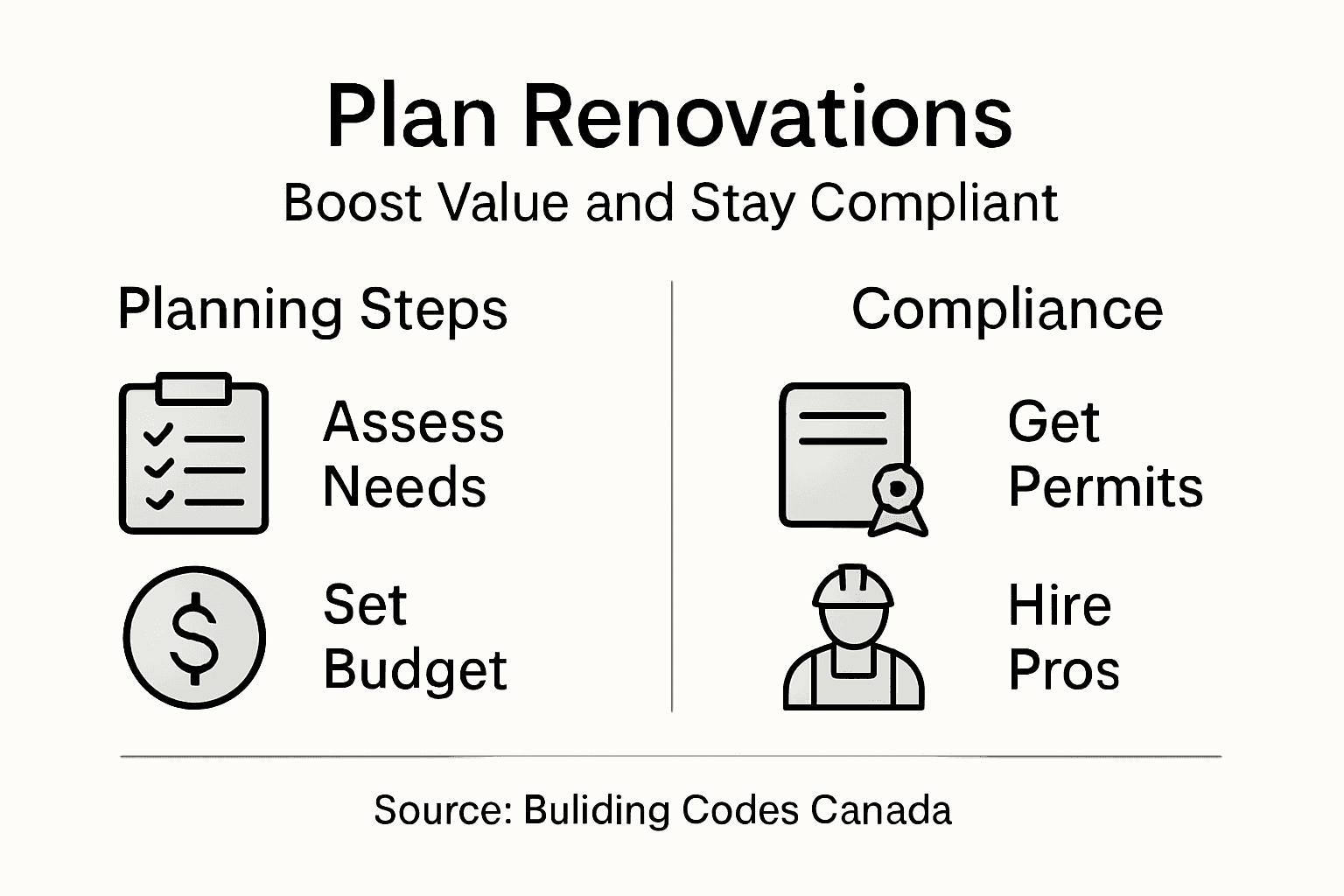
Pro Tip: Allocate at least 15-20% of your total renovation budget as a contingency fund to manage unexpected expenses and potential complications.
Ensure Your Renovation Delivers Lasting Value and Full Compliance
Facing the challenges of renovation planning like budgeting, permitting, and balancing lifestyle needs can be overwhelming. This article highlights the crucial importance of strategic planning to avoid costly mistakes, meet legal requirements, and improve your home’s long-term performance. If you are seeking trustworthy guidance and expert craftsmanship to navigate these complexities, Henley Contracting specializes in residential renovations that transform spaces while ensuring value and compliance.
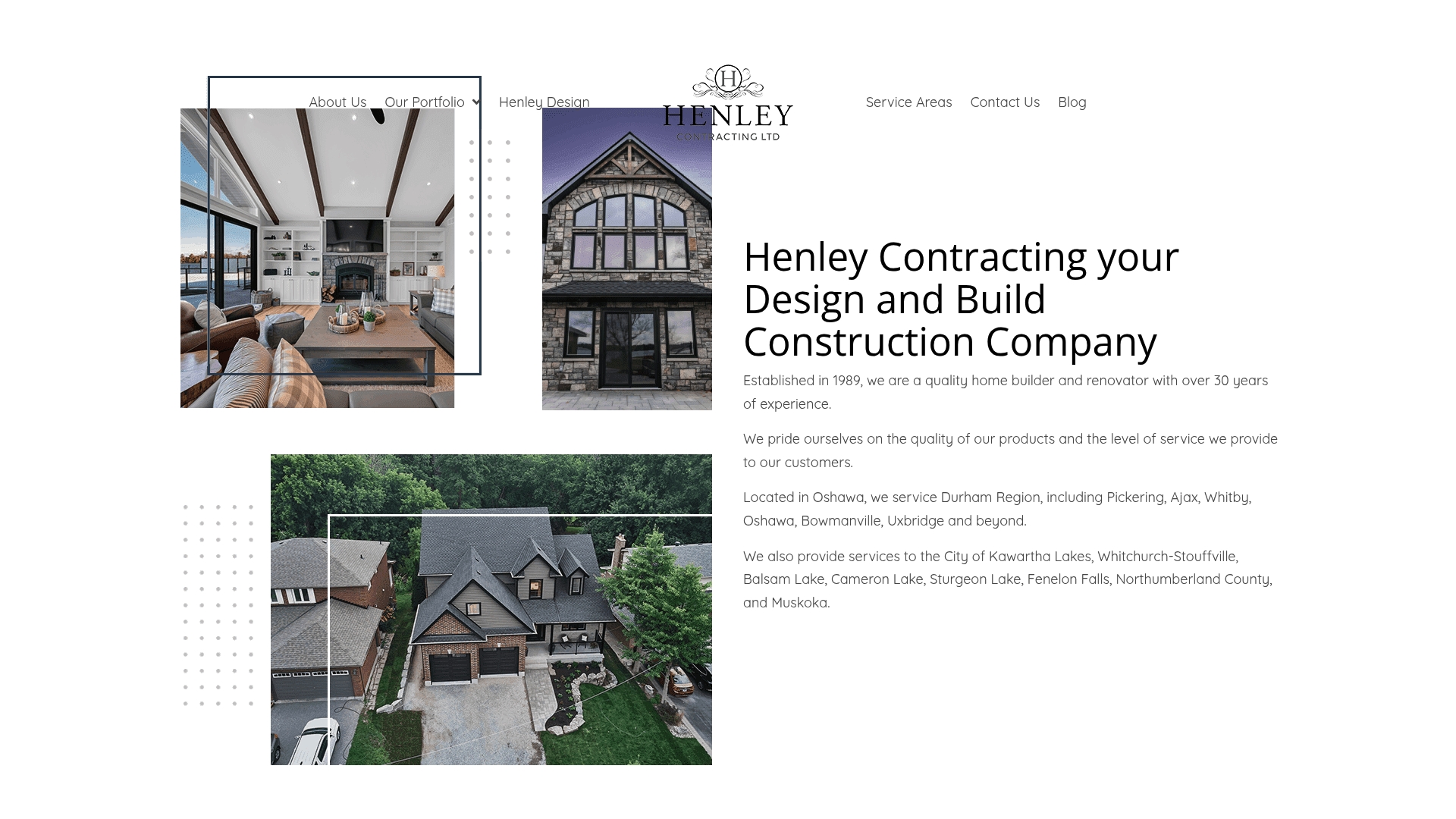
Discover a partner with over three decades of experience in Durham and surrounding areas ready to support your project from start to finish. Explore our proven renovation services to benefit from comprehensive planning, quality construction, and stress-free execution by visiting our Renovations page. Ready to take the next step? Contact Henley Contracting through our homepage and secure your home’s best future today. For specialized needs such as adapting your home for accessibility and aging in place, check out our Aging in Place solutions that also align with thoughtful renovation planning.
Frequently Asked Questions
What are the main types of renovations homeowners can consider?
Homeowners can consider lifestyle renovations, retrofit projects, and maintenance renovations. Lifestyle renovations adapt spaces for family needs, retrofit projects improve efficiency and durability, while maintenance renovations preserve structural integrity.
Why is detailed planning essential for renovation projects?
Detailed planning is crucial as it ensures comprehensive project scoping, budget allocation, and compliance with local building regulations. It helps avoid unexpected costs and complications during the renovation process.
What are the legal requirements for home renovations?
Legal requirements typically include obtaining municipal building permits, adhering to local zoning regulations, and meeting provincial building codes. It’s also necessary to ensure compliance with environmental protection standards.
How can homeowners manage risks during renovation projects?
Homeowners can manage risks by obtaining comprehensive insurance coverage, documenting existing property conditions, and thoroughly reviewing contractor credentials. Establishing clear contract terms and maintaining detailed financial records also helps mitigate potential issues.