

Why Hire Local Builders in Ontario Neighbourhoods
Choosing the right builder for your Durham Region or Kawartha Lakes home goes far beyond comparing quotes. Local builders are licensed professionals regulated by the Home Construction Regulatory Authority to safeguard fairness, honesty, and integrity. When you partner with someone who works, lives, and invests in your community, you benefit from deep regional expertise, established supplier networks, and genuine accountability. This article highlights how working with a local builder translates into a smoother, safer, and higher quality renovation or addition for your family.
Table of Contents
- Defining Local Builders And Their Role
- Regional Knowledge And Building Code Compliance
- Supplier Networks And Trade Relationships
- Cost Savings And Communication Advantages
- Community Impact And Accountability
- Comparing Local And Non-Local Contractors
Key Takeaways
| Point | Details |
|---|---|
| Local Builders Are Accountable | They live in the communities they serve, ensuring high-quality work and responsiveness. |
| Regulatory Knowledge Is Crucial | Local builders understand Ontario’s unique building codes, preventing costly delays and rework. |
| Efficient Communication Enhances Projects | Regular face-to-face interactions improve coordination and resolve issues swiftly. |
| Support Local Economy | Hiring local builders invests back into the community, fostering local jobs and resources. |
Defining Local Builders and Their Role
A local builder is a licensed professional who takes on the responsibility for managing and executing residential construction projects in your community. In Ontario, local builders undergo regulation by the Home Construction Regulatory Authority to ensure they meet standards of fairness, honesty, and integrity. These aren’t fly-by-night operators. They’re accountable professionals bound by specific expectations and regulatory oversight.
Their primary role extends far beyond simply coordinating workers on site. Local builders act as project managers, ensuring your renovation or new construction stays on schedule, within budget, and compliant with all applicable codes. They manage subcontractors, coordinate inspections, and handle the countless decisions that arise during construction. When you hire a local builder, you’re hiring someone responsible for the entire operation.
Under Ontario’s Occupational Health and Safety Act, builders hold overall authority for health and safety on your project. This means they’re legally responsible for maintaining a safe construction environment and ensuring all parties involved follow proper safety protocols. This responsibility demonstrates why experience and local knowledge matter so much. A builder who has worked in your neighbourhood understands local site conditions, soil composition, and building inspector expectations.
What separates local builders from large national firms is their accountability to the community. They operate in the same neighbourhoods where they live. Their reputation isn’t built on marketing campaigns but on the quality of homes standing on local streets. When you work with established local builders like those in Durham Region, you’re engaging professionals whose ongoing livelihood depends on delivering quality work and treating customers fairly.
Local builders also understand the specific challenges of Ontario’s climate, soil conditions, and building codes. They’ve navigated countless seasonal changes, permit processes, and inspector relationships. This institutional knowledge translates directly into smoother projects and fewer costly surprises down the road.
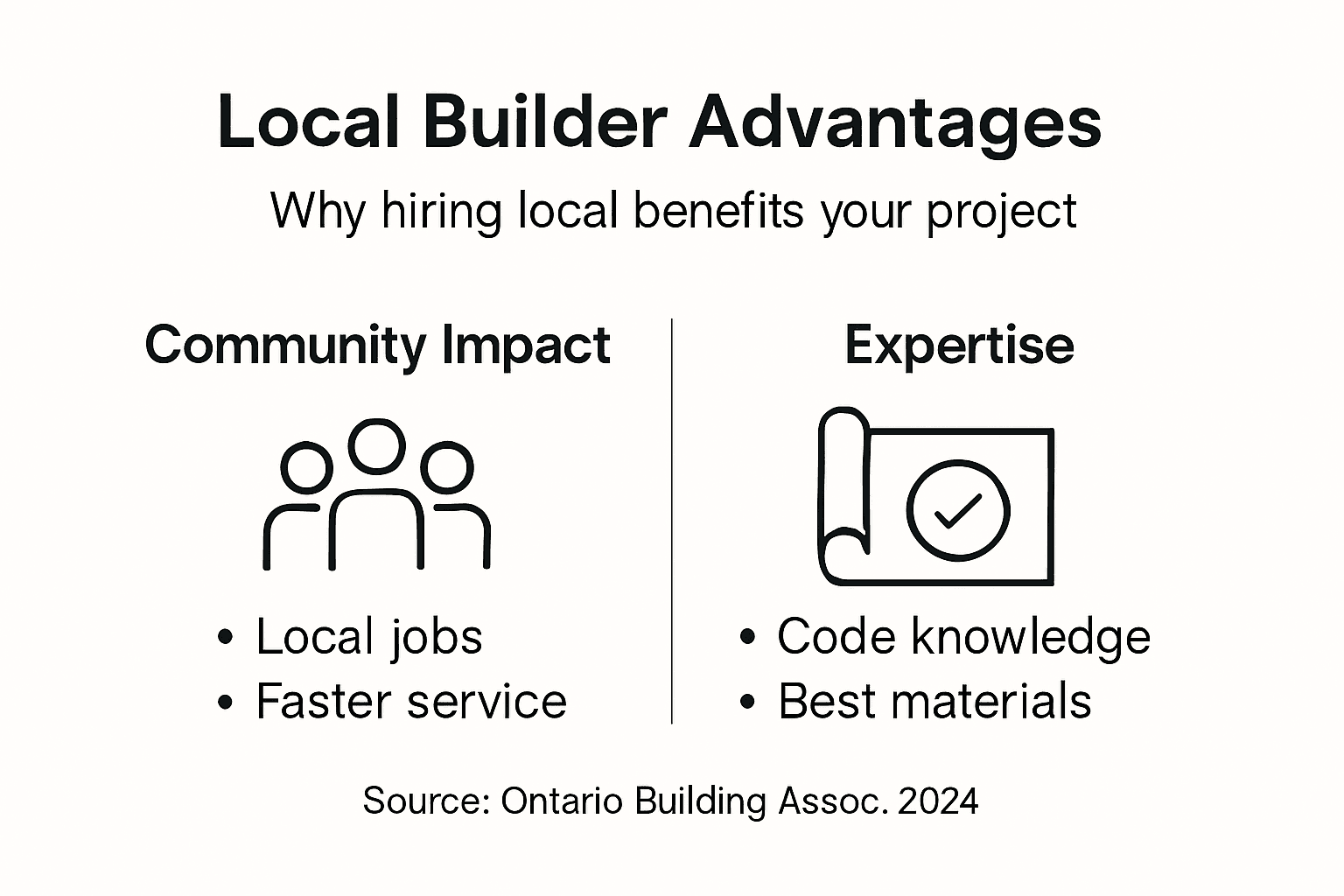
To help clarify the multi-role benefits of choosing a local builder in Ontario, see the summary below:
| Role of Local Builder | Impact on Homeowner | Example Benefit |
|---|---|---|
| Project Manager | Keeps work on schedule | Prevents costly delays |
| Regulatory Navigator | Ensures code compliance | Reduces inspection failures |
| Local Network Connector | Sources quality trades & materials | Faster delivery, better quality |
| Safety Supervisor | Maintains safe site | Minimizes risk of legal issues |
| Community Stakeholder | Invests locally | Supports neighbourhood jobs |
Pro tip: Ask potential builders for references from projects in your specific neighbourhood—this reveals whether they understand local conditions and maintain relationships with inspectors and suppliers who know your area.
Regional Knowledge and Building Code Compliance
Building codes aren’t one-size-fits-all across Ontario. The Ontario Building Code sets the foundation, but local municipalities interpret and apply these standards in ways that reflect their unique geography, climate, and development patterns. A builder familiar with Durham Region or Kawartha Lakes understands exactly how your local inspectors apply these codes and what they expect to see during inspections.
Local builders navigate these nuances every single week. They know which inspectors prioritize specific details, how local environmental conditions affect foundation depth requirements, and whether your municipality has adopted any amendments to the provincial code. This isn’t insider knowledge you can download from a website. It comes from years of working within the same community, building relationships with inspectors, and learning through dozens of previous projects.
Ontario’s building standards continue to evolve. Recent updates introduce new energy efficiency requirements, moisture management protocols, and safety standards that affect how projects are designed and permitted. Local builders stay current with these changes because they’re directly involved in the permitting process with municipal authorities. They understand transition rules and implementation timelines in ways that national builders simply cannot match when working across multiple provinces.
When soil conditions or climate specifics vary between regions, a local builder knows how your area’s particular challenges should be addressed. Building in Durham Region means understanding clay soils, freeze thaw cycles, and the specific challenges of lakeside properties. Building in Kawartha Lakes requires different expertise around terrain and water management. These aren’t minor details. They’re foundational to preventing costly problems years down the road.
Compliance doesn’t just mean passing inspections. It means building right the first time. Local builders reduce delays caused by inspection failures, rework orders, and permit complications because they build within the framework they know intimately. When you choose local builders in Durham Region, you’re choosing someone who won’t waste weeks learning your municipality’s requirements.
Pro tip: Before hiring, ask builders which specific code updates they’ve implemented in recent projects and how they’ve adjusted their building processes accordingly—this reveals who’s actually staying current versus who’s still using old methods.
Supplier Networks and Trade Relationships
Local builders don’t work in isolation. They operate within established networks of suppliers, electricians, plumbers, framers, and specialty trades who all know each other and understand how to work together efficiently. These relationships, built over years or even decades, create a seamless coordination system that speeds up your project and improves quality.
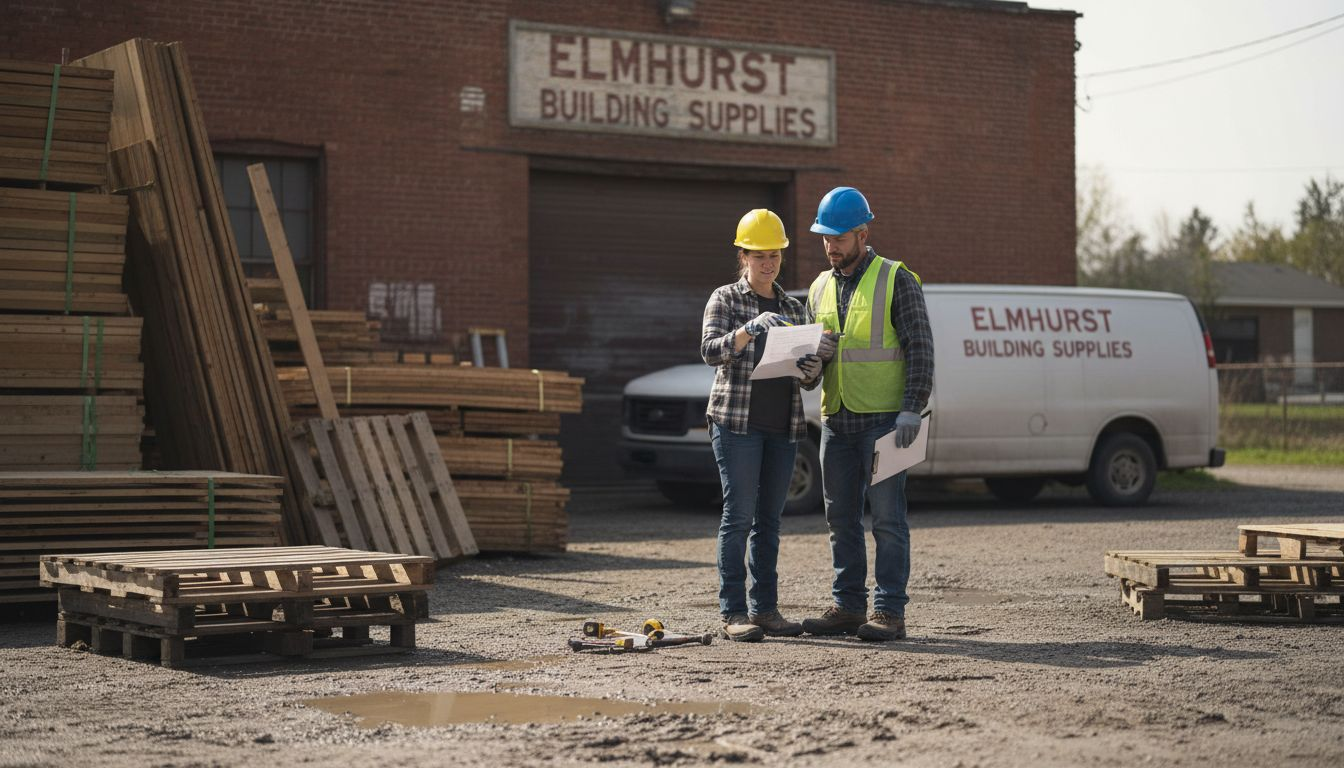
When a local builder needs quality materials, they don’t spend time vetting unknown suppliers or worrying about delivery delays. They call suppliers they’ve worked with for years, who already know the builder’s standards and can prioritize orders accordingly. This translates directly into faster material delivery, better pricing through established relationships, and fewer quality issues. The supplier knows exactly what this builder expects because they’ve delivered thousands of products to them.
Local builders maintain longstanding relationships with regional trades and suppliers that enable them to secure quality materials and services reliably. These connections mean your electrician, plumber, and other specialists are people the builder has worked with repeatedly. They understand the builder’s communication style, quality expectations, and scheduling needs. No learning curve. No surprises.
When problems arise during construction, these established relationships prove invaluable. A local roofer familiar with the builder’s work might adjust their schedule to prevent weather delays. A trusted framer might spot a potential issue before it becomes expensive. These aren’t favours. They’re the natural result of professionals who respect each other’s work and want to maintain their reputation within a tight-knit community.
Subcontractors in your local area also understand Ontario’s climate, soil conditions, and seasonal challenges. They know how to prepare for freeze thaw cycles, manage moisture in our humid summers, and work around winter weather windows. This regional expertise gets built into every trade’s work on your project.
Network efficiency matters financially too. When suppliers and trades work together regularly, coordination costs drop. Material orders arrive on schedule. Subcontractors finish on time so the next trade can start immediately. These efficiencies reduce your overall project timeline and protect your budget from unnecessary delays.
Pro tip: Ask your builder for a list of their regular suppliers and key trades, then ask how long they’ve worked together—relationships spanning five years or more indicate a stable, efficient network you’ll benefit from.
Cost Savings and Communication Advantages
Distance costs money. When a builder operates three hours away from your job site, that time translates into travel expenses, longer response times, and coordination headaches. Local builders eliminate this friction entirely. They’re already in your region, so material deliveries arrive faster, site visits happen quickly, and problems get resolved without delays waiting for someone to drive across the province.
These proximity advantages add up across your entire project. Reduced travel time means lower labour costs. Faster material delivery prevents job site bottlenecks. Fewer coordination issues mean fewer costly schedule delays. When you hire a builder based in Oshawa to work in Pickering or Ajax, you’re not paying for someone to commute from hours away. That savings flows directly to your bottom line.
Local builders offer better communication through regular face-to-face meetings, allowing you to receive timely updates and resolve issues quickly. No waiting for email responses or scheduled video calls. Your builder can stop by your project multiple times weekly, walk through what’s happening, and address your questions on the spot. This transparency transforms how projects feel and how smoothly they operate.
Misunderstandings cost money. When communication happens via email or phone across distances, details get lost. Decisions take longer. Changes require multiple back-and-forth conversations. Face-to-face communication with a local builder eliminates these inefficiencies. You see progress directly. You understand decisions being made. Issues get clarified immediately rather than sitting unresolved for days.
This accessibility also means faster problem-solving. If a structural issue emerges during framing, your local builder can assess it immediately and discuss solutions in person, preventing expensive mistakes that might otherwise get discovered during final inspection. Quick communication prevents small problems from becoming expensive ones.
Many homeowners worry about being taken advantage of or kept in the dark during construction. Local builders can’t hide. Their reputation depends on word-of-mouth within the same neighbourhoods where they work. They know their clients will talk to neighbours, friends, and future customers. This accountability, combined with regular face-to-face communication, creates a fundamentally different relationship than working with distant contractors.
Pro tip: Establish a weekly site meeting schedule with your builder from day one, ideally on the same day and time each week—this consistency reduces communication friction and keeps everyone aligned throughout the project.
Community Impact and Accountability
When you hire a local builder, your money stays in your community. Local builders employ local electricians, plumbers, and framers. They purchase materials from regional suppliers. They eat lunch at neighbourhood restaurants and send their kids to local schools. This isn’t abstract economic theory. It’s real money circulating through Durham Region or Kawartha Lakes, supporting jobs and businesses you likely know.
That economic contribution creates accountability you simply don’t get with out-of-region contractors. A builder who lives three hours away might complete your project and never return. A local builder lives with the consequences of their work. They see your renovated home every time they drive through your neighbourhood. Their children’s friends might live on your street. This proximity creates powerful incentive to deliver quality work and stand behind it.
Local builders contribute positively to Ontario communities while maintaining higher accountability because their reputations are closely tied to community relationships. When someone asks a neighbour about contractors, your builder’s name comes up. Bad reviews spread fast in tight communities. Good work spreads faster. This word-of-mouth economy means local builders can’t hide from their mistakes or cut corners without consequences.
This accountability extends beyond just quality. Local builders are responsive to homeowner concerns because they know you’ll talk about your experience. They’re invested in your satisfaction not because a corporate policy requires it, but because their livelihood depends on it. When you call with a concern, they answer because ignoring you damages their standing in the community where they work every day.
Regulatory oversight reinforces this accountability. Licensed local builders must maintain standards established by professional organizations and regulatory bodies. They carry insurance, follow codes, and submit to inspections. Their licence is their business. One serious complaint or lawsuit threatens their ability to work in the community they’ve built their career in.
Choosing local also means supporting businesses that reinvest locally. Local builders sponsor little league teams, support school fundraisers, and donate to community causes. They’re not distant corporations extracting value. They’re neighbours building community infrastructure while building your home.
Pro tip: Check online reviews and ask for references from neighbours in your area—local builders’ track records are visible in the homes around you and the reputations they’ve built over years of working locally.
Comparing Local and Non-Local Contractors
The decision between local and non-local contractors affects more than just your project timeline. It shapes your entire construction experience, from initial planning through final walkthrough. Understanding the real differences helps you make an informed choice aligned with your priorities.
Local contractors know Ontario’s regulatory landscape intimately. They understand how your municipal inspectors interpret codes, what documentation they require, and which details matter most during inspections. Non-local contractors may lack the nuanced understanding of local health and safety requirements that can affect compliance and safety oversight. This knowledge gap costs time and money through rework, failed inspections, and permit delays.
Coordination becomes a major issue with non-local contractors. When someone works three hours away, every decision requires scheduling. Site visits become rare events. Problems that could be resolved in a quick conversation require phone calls or emails. Your project moves at the pace of their schedule, not yours. Local contractors can visit multiple times weekly, making decisions quickly and keeping momentum strong.
Local builders offer advantages including better regulatory knowledge and easier communication compared to non-local contractors. They’ve built relationships with municipal officials and have proven records in your community. Non-local contractors must spend time building those relationships from scratch, adding invisible friction to your project.
Specialized expertise sometimes favours non-local contractors. If you need a rare skill like timber framing or restoration work, bringing in a specialist from outside your region might be necessary. But for standard renovations and additions, local contractors rarely lose to specialisation.
Cost comparison favours local contractors when you factor in travel time, coordination overhead, and rework from misunderstandings. While non-local contractors might quote lower rates, hidden costs accumulate quickly. Local builders’ familiarity with your area prevents expensive mistakes.
The accountability difference is stark. Non-local contractors disappear after project completion. Local contractors live in your community. They see your finished home regularly. They know their reputation matters every single day they work locally.
Here’s a concise comparison of local and non-local contractors in Ontario residential construction:
| Aspect | Local Contractors | Non-Local Contractors |
|---|---|---|
| Regulatory Knowledge | Deep familiarity with municipal codes | Limited local code understanding |
| Communication | Frequent face-to-face updates | Mostly remote and infrequent |
| Supplier Relationships | Established, reliable networks | New or untested connections |
| Accountability | Reputation tied to local community | Less accountable after completion |
| Project Efficiency | Quick site visits, fewer delays | Longer travel, risk of bottlenecks |
| Cost Impact | Lower travel and coordination costs | Hidden costs from distance |
Pro tip: When evaluating contractors, ask specifically about their experience with projects in your exact neighbourhood and request references from recent local work—this reveals whether they truly understand your area or are still learning it.
Experience the Difference with Trusted Local Builders in Ontario Neighbourhoods
Choosing the right builder means overcoming challenges like navigating complex local building codes, ensuring seamless communication, and securing reliable trades and materials. If you have felt uncertain about handling project delays or worried about the accountability of distant contractors, Henley Contracting understands these concerns deeply. Our Oshawa-based team brings over 30 years of expertise working exclusively in Durham, Kawartha Lakes, and surrounding communities. We pride ourselves on being more than just builders. We are your neighbours committed to delivering quality craftsmanship with honesty and integrity.

Ready to build or renovate with a team that knows your local regulations and trades? Explore our Custom Build or Renovations services and discover how Henley Contracting turns your vision into a resilient home worthy of your community. Contact us today at Henley Contracting to start your project with builders you can trust to deliver on time and within budget.
Frequently Asked Questions
What are the benefits of hiring a local builder?
Hiring a local builder allows for better project management, familiarity with local regulations, quicker communication, and stronger relationships with local suppliers and trades. They are also more accountable to the community, which often results in higher quality workmanship.
How do local builders ensure compliance with building codes?
Local builders have extensive experience navigating the specific building codes set by municipalities. Their familiarity with local inspectors and regulations allows them to ensure compliance effectively, reducing the risk of delays due to inspection failures.
What impact do local builders have on the community?
Local builders contribute positively by employing local tradespeople, purchasing materials from nearby suppliers, and supporting local businesses. Their work keeps the economic benefits within the community and fosters a stronger local economy.
How does communication differ when working with local versus non-local builders?
Working with local builders enables more frequent face-to-face communication, which allows for quicker updates and immediate problem-solving. In contrast, non-local builders may rely on remote communication, leading to misunderstandings and delays.