

Role of Architects in Home Building – Why It Matters
Building or renovating a home in Durham Region means facing design choices, construction demands, and strict Ontario regulations. For homeowners ready to turn their vision into a finished space, every phase can bring unexpected questions. Expert architects provide the guidance and technical know-how that transform ideas into reality while meeting both dream-worthy design and legal requirements. When you want spaces tailored to your life, architectural expertise is the key to balancing creativity, function, and compliance.
Table of Contents
- What Architects Do in Home Building
- Types of Architectural Services in Ontario
- Navigating Local Building Codes and Permits
- Architects’ Responsibilities During Construction
- Cost, Risks, and Common Homeowner Mistakes
Key Takeaways
| Point | Details |
|---|---|
| Architects’ Role in Home Building | Architects are essential for translating homeowner visions into functional designs, ensuring compliance with codes and practical needs. |
| Collaboration with Key Stakeholders | Architects work closely with contractors, engineers, and municipal officials to ensure designs are executed correctly and meet regulatory standards. |
| Navigating Codes and Permits | Understanding local building codes and obtaining the necessary permits are crucial to avoid costly mistakes and legal issues. |
| Managing Construction Oversight | Architects maintain oversight during construction, addressing issues and ensuring that the build aligns with the original vision, thus preserving design integrity. |
What Architects Do in Home Building
Architects serve as the creative and technical masterminds behind transforming residential construction dreams into tangible, functional spaces. Home design professionals develop comprehensive blueprints that translate homeowners’ visions into precise architectural plans, ensuring every design element meets both aesthetic and practical requirements.
Their role encompasses several critical responsibilities that extend far beyond simple drawing creation:
- Conducting detailed client consultations to understand lifestyle needs
- Creating precise architectural drawings and 3D design models
- Calculating structural requirements and load-bearing specifications
- Developing energy efficiency and sustainability strategies
- Ensuring compliance with local building codes and zoning regulations
Architects also play a crucial project management role by collaborating closely with contractors and engineers. They generate detailed specifications that outline exact construction requirements, material selections, and performance expectations. Technical precision becomes their hallmark, with each design element meticulously planned to harmonize functionality, aesthetics, and structural integrity.
Here’s how architects collaborate with other key parties during home building:
| Role | Main Interaction with Architect | Purpose of Collaboration |
|---|---|---|
| Contractor | Reviews and implements specifications | Ensures design is accurately built |
| Engineer | Provides structural input and analysis | Verifies safety and compliance |
| Municipal Official | Reviews plans for regulatory alignment | Secures required permits |
Architects transform abstract ideas into buildable, livable spaces that reflect individual homeowner needs and preferences.
Moreover, architects provide critical oversight throughout the construction process. They review contractor work, verify design adherence, manage potential design modifications, and ensure the final build matches the original architectural vision. This continuous engagement helps prevent potential construction errors and maintains design consistency.

Pro tip: Before hiring an architect, request a comprehensive portfolio demonstrating their experience with residential projects similar to your specific vision.
Types of Architectural Services in Ontario
Architectural services in Ontario represent a comprehensive range of professional design solutions tailored to meet diverse residential and commercial needs. Professional architectural services licensed by the Ontario Association of Architects (OAA) encompass a wide spectrum of design and technical expertise aimed at transforming client visions into functional, aesthetically pleasing spaces.
The primary types of architectural services include:
- Custom residential home design
- Home addition and renovation planning
- Legal basement conversion designs
- Commercial space architectural planning
- Energy efficiency and sustainable design strategies
- 3D modeling and architectural visualization
- Municipal permit and zoning compliance coordination
Within the residential sector, architects provide nuanced services that go beyond basic design. Residential architectural services typically involve detailed consultations to understand homeowner lifestyles, precise measurement and spatial planning, structural engineering considerations, and comprehensive design development that balances aesthetic preferences with practical functionality.
Architectural services bridge the gap between creative vision and technical feasibility, ensuring every design element serves a purpose.
Architectural design professionals in Ontario also specialize in specific project types, ranging from intricate custom home designs to specialized spaces like deck and porch configurations. They bring technical expertise in navigating complex building codes, municipal regulations, and zoning requirements, providing clients with comprehensive design solutions that meet both creative and legal standards.
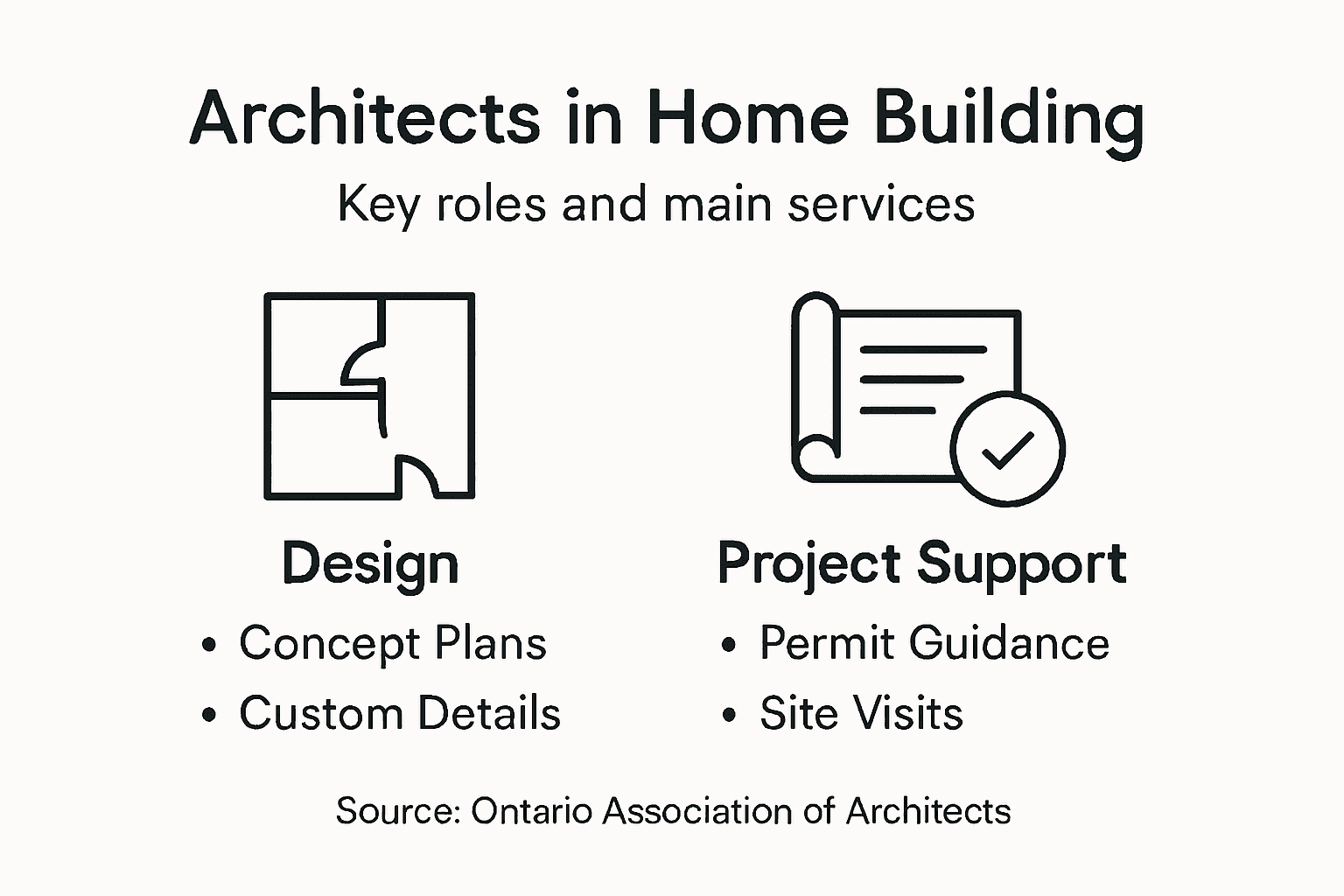
Pro tip: Always verify an architect’s professional licensing status with the Ontario Association of Architects before engaging their services to ensure comprehensive and legally compliant design expertise.
Navigating Local Building Codes and Permits
Understanding local building codes and permits is a critical step in any home construction or renovation project in Ontario. Building permit requirements are mandatory for most construction activities, serving as a crucial mechanism to ensure safety, compliance, and legal adherence to provincial standards.
The key aspects of navigating building codes and permits include:
- Comprehensive plan documentation
- Detailed site drawings and specifications
- Structural engineering assessments
- Energy efficiency compliance
- Zoning bylaw alignment
- Municipal review and approval processes
- Periodic inspection requirements
Municipal building officials play a pivotal role in this process, meticulously reviewing submitted plans to verify alignment with Ontario’s Building Code standards. Their primary responsibilities involve assessing technical specifications, ensuring structural integrity, and confirming that proposed designs meet safety and regulatory requirements.
Building permits are not just bureaucratic paperwork – they’re a critical safeguard protecting homeowners, contractors, and community safety standards.
Failure to obtain proper permits can result in significant consequences, including potential work stoppages, substantial financial penalties, and legal complications that might require demolishing non-compliant structures. Architects and design professionals serve as invaluable guides, helping homeowners navigate these complex regulatory landscapes by preparing precise documentation and ensuring every aspect of the proposed project meets municipal and provincial standards.
Pro tip: Consult with a licensed architect or experienced building professional early in your project planning to streamline the permit application process and avoid potential regulatory complications.
Architects’ Responsibilities During Construction
Once a construction project begins, architects transition into a critical oversight and coordination role that extends far beyond initial design. Contract administration services represent a key responsibility where architects maintain active engagement throughout the building process, ensuring the original design vision remains intact and all specifications are meticulously followed.
The primary responsibilities of architects during construction include:
- Conducting periodic site visits
- Verifying design document compliance
- Addressing potential construction issues
- Issuing supplemental design instructions
- Coordinating between contractors and consultants
- Monitoring quality control processes
- Maintaining comprehensive project documentation
Construction oversight involves more than simple observation. Architects serve as critical intermediaries who bridge the gap between design intent and practical implementation. They analyze construction progress, evaluate potential design modifications, and provide expert guidance to ensure the project meets all technical, aesthetic, and regulatory standards.
Architects are not just designers, but guardians of design integrity throughout the entire construction process.
Their role requires exceptional communication skills, technical expertise, and the ability to problem-solve in real-time. Architects must interpret complex technical specifications, resolve potential conflicts between design concepts and practical construction challenges, and maintain open communication channels with contractors, engineers, and homeowners to ensure smooth project progression.
Pro tip: Request regular progress reports and site visit documentation from your architect to stay informed about your project’s development and potential emerging challenges.
Cost, Risks, and Common Homeowner Mistakes
Home construction projects involve complex financial and operational challenges that can significantly impact project success and homeowner satisfaction. Construction risk management demands careful strategic planning, understanding potential pitfalls, and proactive mitigation strategies to protect both financial investments and project outcomes.
Common homeowner mistakes and associated risks include:
- Inadequate budget planning and contingency reserves
- Underestimating project complexity and timeline
- Failing to conduct comprehensive contractor background checks
- Neglecting detailed contract specifications
- Overlooking potential permit and regulatory compliance issues
- Insufficient communication with architectural and construction teams
- Making emotional rather than strategic design decisions
Financial vulnerability represents a critical concern in home construction projects. Unexpected challenges like material price fluctuations, labour shortages, and design modifications can rapidly escalate project costs. Homeowners must maintain financial flexibility and work closely with architects to develop realistic budget expectations and comprehensive risk management strategies.
The following table outlines typical risks in homebuilding, their impacts, and mitigation strategies:
| Risk Factor | Potential Impact | How to Mitigate |
|---|---|---|
| Incomplete documentation | Regulatory delays or rework | Use detailed architectural plans |
| Budget underestimation | Funding shortfall mid-project | Add 15-20% contingency funds |
| Poor communication | Misaligned expectations | Hold regular team meetings |
| Non-compliance with codes | Fines or mandated changes | Engage licensed professionals |
Successful home construction requires a delicate balance between creative vision, technical precision, and financial prudence.
Professional architects play a pivotal role in mitigating these risks by providing expert guidance, conducting thorough feasibility assessments, and helping homeowners navigate potential financial and technical challenges. Their comprehensive understanding of construction processes enables them to anticipate potential issues and recommend proactive solutions before they become expensive problems.
Pro tip: Establish a minimum 15-20% contingency budget and maintain open, transparent communication with your architectural and construction team to effectively manage potential project risks.
Trust Expert Guidance to Bring Your Home Vision to Life
Navigating the complex role of architects in home building requires a trusted construction partner who understands the balance of creative design and technical precision. At Henley Contracting, we recognize the importance of clear communication, meticulous planning, and adherence to building codes to help you avoid costly mistakes and delays. Whether you are embarking on a brand-new construction or a specialized renovation project, our experience ensures your home reflects both your vision and practical needs.
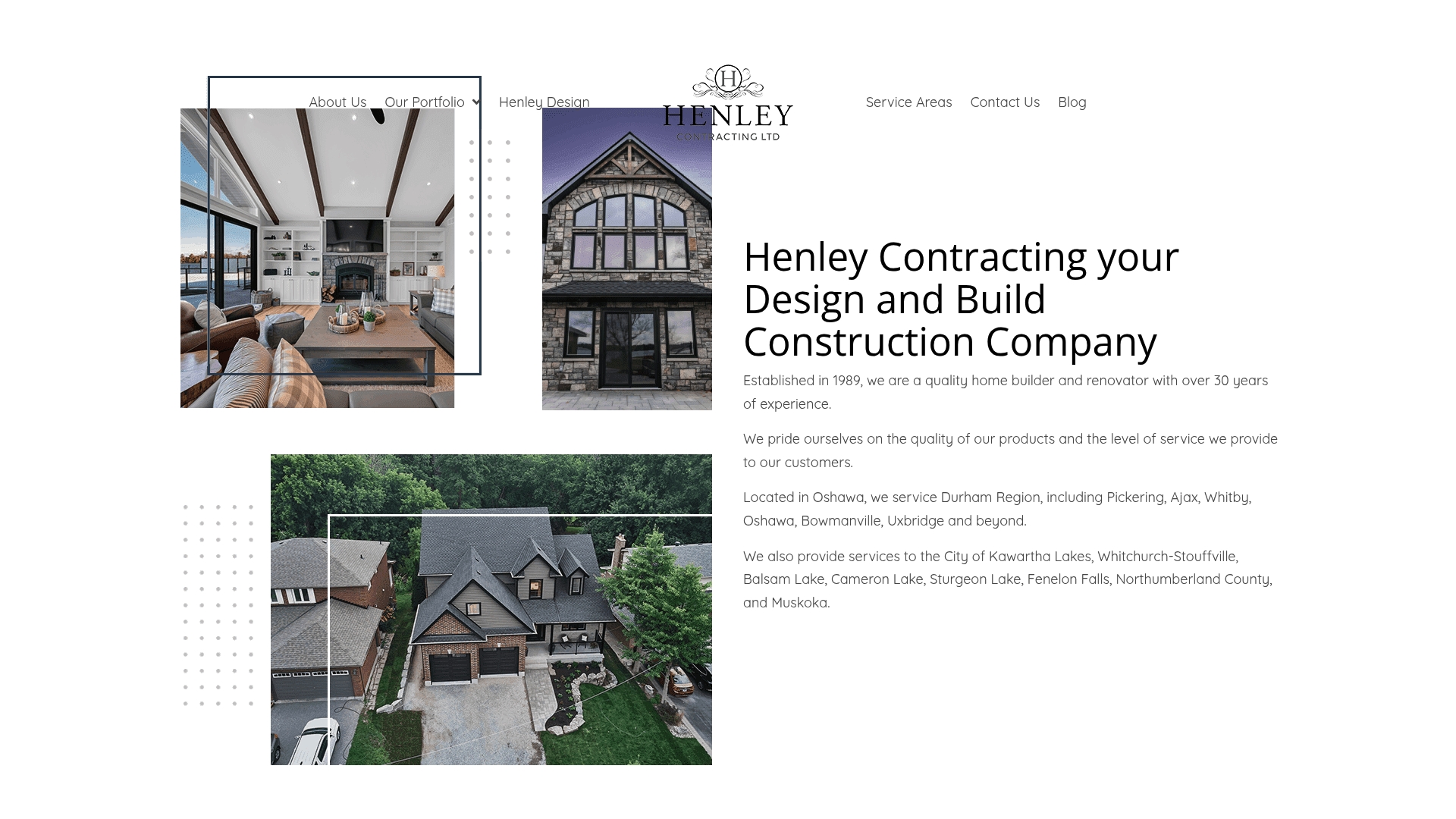
Explore our Custom Build – Henley Contracting Ltd. services to see how we collaborate with architects and engineers for quality craftsmanship. With over three decades of trusted service in Oshawa, Durham, Kawartha Lakes, and beyond, we provide comprehensive Renovations – Henley Contracting Ltd. for seamless project execution. Take the first step today by visiting Henley Contracting and let’s build your dream home with expert oversight every step of the way.
Frequently Asked Questions
What are the primary responsibilities of architects in home building?
Architects are responsible for creating comprehensive designs, conducting client consultations, developing architectural drawings and models, ensuring compliance with building codes, and overseeing the construction process to maintain design integrity.
How do architects ensure compliance with local building codes?
Architects ensure compliance by thoroughly understanding local regulations, preparing detailed plans and documentation, and working closely with municipal officials during the approval process to secure necessary permits.
What types of services can I expect from an architect for residential projects?
Architects offer various services, including custom home design, renovations, legal basement conversions, energy-efficient design strategies, and assistance with zoning compliance and permit applications.
Why is it important to hire a licensed architect for my project?
Hiring a licensed architect ensures that you receive expert design solutions that meet creative visions while adhering to legal regulations and building codes, ultimately safeguarding the quality and safety of your construction project.