

How to Oversee Home Additions for Seamless Results
Thinking about a new addition to your Durham Region home often comes with dreams of extra space, but also concerns about budget and managing the construction process. Making the right choices early on can prevent unwanted stress and costly surprises down the road. With careful planning, a clear assessment of your project needs and budget, and understanding key steps like hiring reputable contractors and following permit rules, you can set the stage for a successful and satisfying renovation.
Table of Contents
- Step 1: Assess Project Needs And Establish Budget
- Step 2: Hire Reputable Contractors And Confirm Permits
- Step 3: Monitor Construction Progress And Coordinate Schedules
- Step 4: Review Work Quality And Resolve Deficiencies
- Step 5: Conduct Final Walkthrough And Approve Completion
Quick Summary
| Key Point | Explanation |
|---|---|
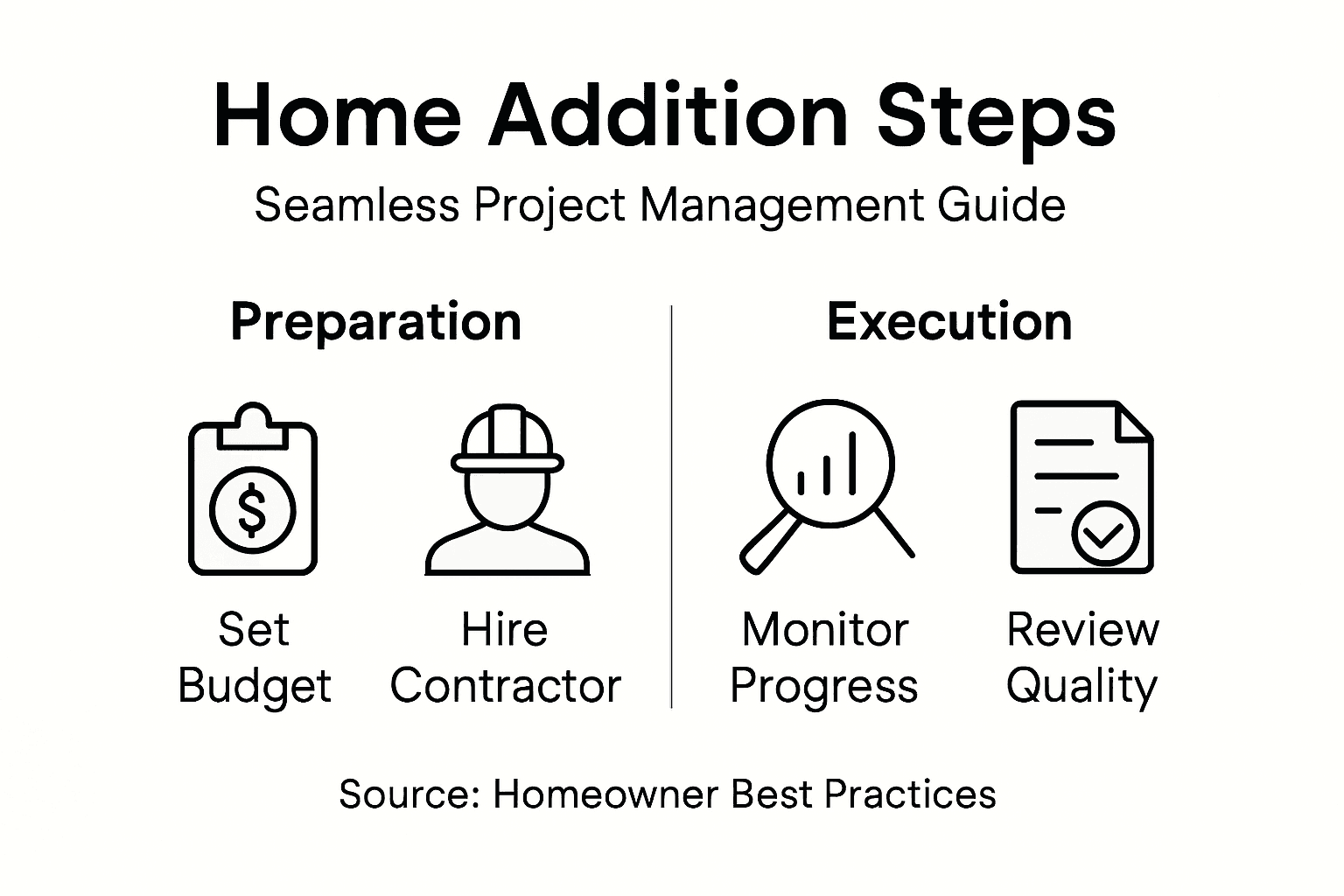
| 1. Assess Needs and Set Budget | Evaluate your space requirements and create a realistic budget including a contingency for surprises. |
| 2. Hire Qualified Contractors | Research and verify contractors’ credentials and ensure permits are secured to protect your investment. |
| 3. Monitor Construction Progress | Maintain consistent communication with your contractor and track all stages to uphold project quality. |
| 4. Review Work Quality Thoroughly | Inspect completed work systematically and document any deficiencies to ensure standards are met. |
| 5. Conduct a Detailed Final Walkthrough | Verify all contractual work is completed and request warranties before finalising the project. |
Step 1: Assess project needs and establish budget
Successfully managing a home addition begins with a comprehensive assessment of your project needs and creating a realistic budget. This critical first step will help you understand the scope, potential challenges, and financial requirements of your renovation.
Start by conducting a thorough evaluation of why you want the home addition and what specific improvements you aim to achieve. Consider factors like functional requirements, current space limitations, and long-term family needs. Measure the existing space precisely and determine the exact dimensions required for your addition. Detailed energy efficiency standards suggest that modern home additions must also account for updated mechanical ventilation and insulation requirements.
Your budget assessment should include multiple critical components:
- Material costs (lumber, roofing, windows, electrical supplies)
- Labour expenses for different trade professionals
- Permit and inspection fees
- Potential unexpected construction contingencies
- Energy efficiency upgrades
To create an accurate budget, obtain at least three detailed quotes from reputable contractors. These estimates will help you understand the realistic price range for your specific project. Systematic project resource assessment recommends allocating an additional 10-20% buffer for unforeseen expenses.
Budget transparently and include every potential expense to avoid financial surprises during your home addition project.
Pro tip: Schedule consultations with multiple contractors during different times of the year to compare pricing and availability, potentially saving thousands on your home addition budget.
Step 2: Hire reputable contractors and confirm permits
Selecting the right contractor and navigating permit requirements are crucial steps in ensuring a successful home addition project. This stage involves thorough research, verification, and strategic decision-making to protect your investment and guarantee quality work.
Begin by researching licensed contractors in Ontario who have proven expertise in home additions. Your selection process should include several key verification steps:
- Request and verify professional licences
- Check insurance coverage and liability protection
- Review detailed portfolios of previous home addition projects
- Contact and speak with past client references
- Verify contractor’s standing with local building associations
When evaluating potential contractors, always insist on comprehensive written contracts that clearly outline project scope, materials, timeline, and payment schedules. Canadian Home Builders’ Association recommendations emphasize avoiding cash transactions and ensuring all agreements are documented professionally.
Thorough contractor vetting protects your investment and prevents potential legal and financial complications.
For permit confirmation, contact your local municipal building department to understand specific requirements for home additions. Each municipality has unique regulations regarding construction permits, zoning restrictions, and inspection protocols.
Pro tip: Request copies of all contractor credentials and permits upfront, and maintain a dedicated file documenting every interaction and agreement to protect yourself legally.
See a comparison of contractor vetting versus permit confirmation during your addition project:
| Aspect | Contractor Vetting | Permit Confirmation |
|---|---|---|
| Primary Goal | Ensure quality and trust | Meet legal and safety requirements |
| Key Documents | Licences, insurance, contracts | Building permits, inspection records |
| Communication Focus | Past work and references | Local building department procedures |
| Risk of Oversight | Subpar work or legal disputes | Fines or stop-work orders |
Step 3: Monitor construction progress and coordinate schedules
Effective project management is critical during your home addition, requiring consistent communication, detailed tracking, and proactive schedule coordination. This step ensures your project stays on track, within budget, and meets the expected quality standards.
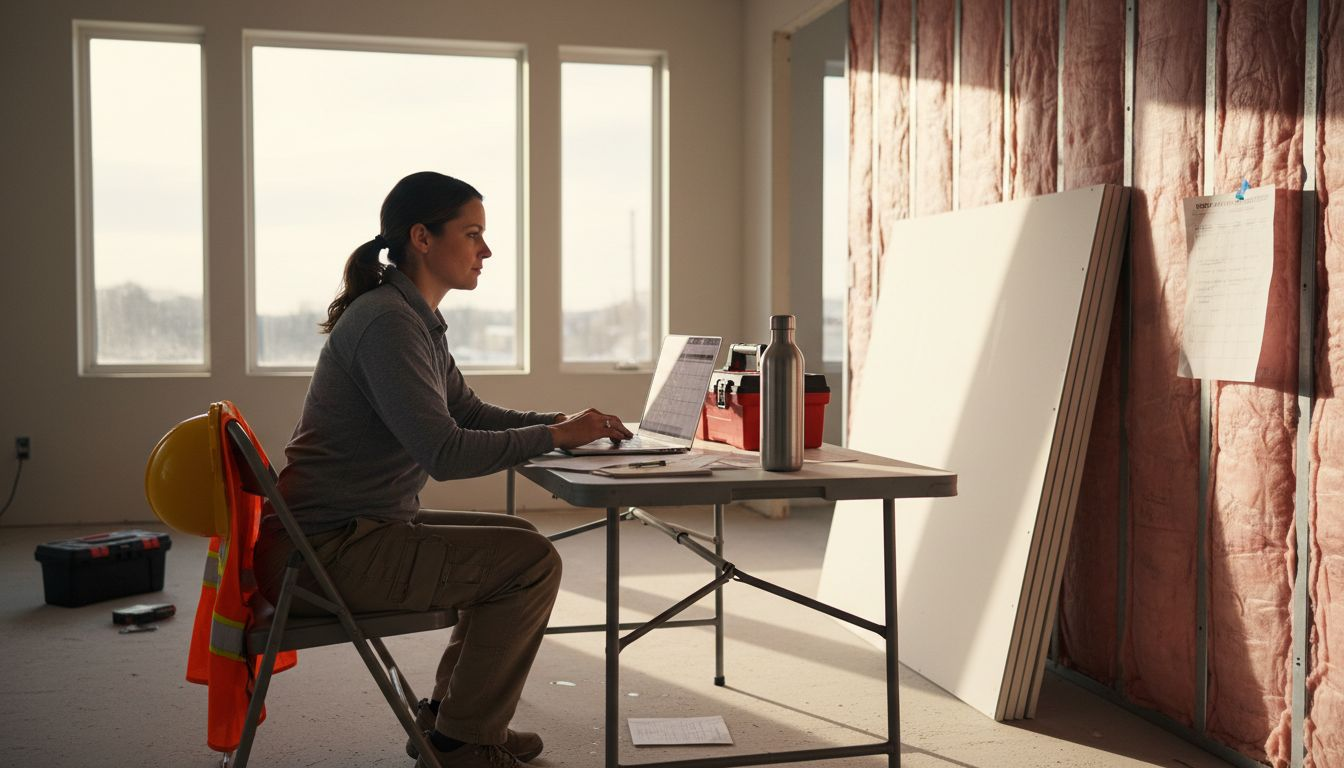
Project execution planning involves establishing clear communication channels and systematic progress monitoring. Your monitoring strategy should include several key components:
- Weekly progress meetings with your primary contractor
- Detailed written documentation of completed and pending tasks
- Regular photographic documentation of construction stages
- Systematic tracking of material deliveries and installations
- Continuous verification of work against original project specifications
Maintain consistent communication channels with your contractor, scheduling regular check-ins to discuss progress, potential challenges, and any necessary adjustments. These meetings should be structured, with a clear agenda and documented outcomes to ensure transparency and accountability.
Proactive communication prevents misunderstandings and helps maintain project momentum.
Understand that construction schedules can shift due to unexpected challenges like material delays, weather conditions, or unforeseen structural requirements. Flexibility and clear communication are essential to managing these potential disruptions effectively.
Pro tip: Create a shared digital project management folder where all contractors, subcontractors, and stakeholders can access real-time updates, reducing miscommunication and improving overall project coordination.
Step 4: Review work quality and resolve deficiencies
Conducting a thorough quality review of your home addition is crucial to ensuring the project meets your expectations and adheres to professional standards. This step involves careful inspection, clear communication, and strategic problem resolution with your contractors.
Contractor work quality guidelines recommend a systematic approach to reviewing completed construction work. Your quality review process should encompass several critical elements:
- Comprehensive visual inspection of all completed work
- Cross-referencing finished work against original contract specifications
- Checking alignment with building codes and permit requirements
- Identifying and documenting any visible defects or imperfections
- Verifying structural integrity and functional performance
Maintain detailed documentation of all observations during your quality review. Take clear photographs, write comprehensive notes, and prepare a formal report highlighting any areas requiring correction or improvement. Hiring guide recommendations emphasize the importance of prompt and professional communication when addressing potential deficiencies.
Meticulous documentation protects both you and your contractor, ensuring transparency and accountability.
When discussing potential issues with your contractor, remain professional and constructive. Focus on specific observations, provide clear examples, and work collaboratively towards mutually acceptable solutions. Remember that most reputable contractors are committed to delivering high-quality work and will appreciate your thorough and systematic approach.
Pro tip: Schedule your final quality review during good natural lighting conditions and bring a detailed checklist to ensure you capture every potential detail and deficiency.
Step 5: Conduct final walkthrough and approve completion
The final walkthrough represents the ultimate validation of your home addition project, marking the transition from construction to enjoying your newly transformed space. This critical stage ensures every detail meets your expectations and contractual agreements.
Project execution guidelines recommend a comprehensive approach to final project approval. Your walkthrough should systematically address multiple critical components:
- Verify all contracted work has been completed
- Inspect workmanship and finishing details
- Test all newly installed systems and appliances
- Review and collect all warranty documentation
- Confirm cleanup and site restoration
Prepare comprehensive documentation before the walkthrough, bringing your original contract, project specifications, and a detailed checklist. This preparation allows you to methodically evaluate each aspect of the completed addition, ensuring nothing is overlooked during the final inspection.
A methodical final walkthrough protects your investment and guarantees project satisfaction.
During the walkthrough, communicate openly with your contractor. Address any remaining concerns professionally, focusing on specific observations and mutually agreeable solutions. Request demonstrations of new systems, understand maintenance requirements, and ensure you receive all necessary warranty information and manufacturer documentation.
Pro tip: Bring a trusted friend or family member with construction experience to provide an additional objective perspective during your final walkthrough.
Here’s a summary comparing key steps to successfully manage a home addition:
| Project Stage | Main Focus | Success Tip |
|---|---|---|
| Assess Needs & Set Budget | Define scope & finances | Add a 10-20% contingency |
| Hire Contractors & Confirm Permits | Verify credentials & permits | Keep copies of all documents |
| Monitor Construction & Schedule | Communication & tracking | Use a shared digital folder |
| Review Quality & Resolve Issues | Inspection & documentation | Bring a detailed review checklist |
| Final Walkthrough & Approval | Completion & warranties | Involve a trusted, objective observer |
Take Control of Your Home Addition with Trusted Experts
Overseeing a home addition can be overwhelming with so many critical steps like budget assessment, contractor vetting, and quality reviews. If you are concerned about navigating these challenges to achieve seamless results, Henley Contracting offers solutions grounded in over three decades of experience and local expertise. We understand how important clear communication and reliable craftsmanship are to homeowners in Durham and surrounding areas.

Discover peace of mind by partnering with a team dedicated to exceeding expectations on every project. Whether you need assistance with custom builds or thoughtful renovations, Henley Contracting delivers quality workmanship matched with transparent processes. Start your stress-free home addition journey today by visiting Henley Contracting Ltd. and connect with experts ready to bring your vision to life.
Frequently Asked Questions
How can I assess my needs before starting a home addition?
To assess your needs, evaluate the reasons for the addition, such as functional requirements and space limitations. Measure your existing space accurately and list your priorities to guide your project.
What factors should I include in my budget for a home addition?
Include material costs, labour expenses, permit fees, and a buffer for unexpected expenses in your budget. Consider obtaining at least three detailed quotes from contractors to establish a realistic financial framework.
How do I ensure I choose the right contractor for my home addition?
Verify potential contractors’ licences, insurance coverage, and references before making a decision. Conduct thorough research and communicate your project expectations clearly to find a reputable match.
What steps should I take to monitor the progress of my home addition?
Schedule regular progress meetings with your contractor and document everything thoroughly, including notes and photographs. Monitor completed tasks against your project timeline to ensure the addition stays on track.
How can I effectively review the quality of work completed on my home addition?
Conduct a comprehensive inspection of the completed work, checking for defects and adherence to your original specifications. Document your findings, and communicate any concerns with your contractor promptly for resolution.
What should I do during the final walkthrough of my home addition?
During the final walkthrough, verify that all contracted work is completed and that you are satisfied with the quality. Bring a checklist of items to review and take note of any issues that need to be addressed before final approval.