

Design Consultation for Renovations in Durham Region
Every Durham Region homeowner knows the challenge of turning renovation dreams into reality without unexpected surprises. Design consultation is much more than quick advice—it is a collaborative strategic process that bridges creative vision and construction expertise, ensuring your project aligns with both personal style and local requirements. With the right professional guidance, you can unlock custom solutions that suit your lifestyle, safeguard your investment, and achieve lasting quality in your home.
Table of Contents
- Defining Design Consultation And Misconceptions
- Types Of Design Consultation Services Offered
- How The Design Consultation Process Works
- Role Of Local Codes And Permits In Ontario
- Responsibilities, Risks And Cost Considerations
Key Takeaways
| Point | Details |
|---|---|
| Importance of Design Consultation | Design consultation is a collaborative process that transforms ideas into actionable renovation plans, going beyond simple advice. |
| Professional Expertise | Experienced consultants mitigate risks, optimize designs and ensure compliance with regulations, providing tailored solutions. |
| Structured Process | The design consultation process involves multiple strategic stages, including assessment, planning, and refinement for effective results. |
| Local Codes and Permits | Awareness of local regulations and the permit process is crucial for ensuring safety, compliance, and successful project execution. |
Defining design consultation and misconceptions
Design consultation represents a sophisticated collaborative process where professionals work directly with clients to transform conceptual ideas into tangible, actionable renovation plans. Unlike common misconceptions, this service goes far beyond simple advice—it’s a comprehensive strategic approach that bridges creative vision with practical implementation.
In the context of home renovations, design consultation involves a detailed, systematic problem-solving engagement that considers multiple critical factors:
- Technical feasibility of proposed changes
- Budget constraints and financial planning
- Aesthetic preferences and stylistic alignment
- Structural integrity and building code compliance
- Long-term functionality and homeowner lifestyle needs
Many homeowners mistakenly believe design consultation is an unnecessary expense or merely an optional decorative service. However, professional design consultants bring sophisticated expertise that can prevent costly mistakes, optimize spatial layouts, and create cohesive living environments tailored to individual requirements.
Design consultation transforms abstract concepts into concrete, achievable renovation strategies that align technical requirements with personal aesthetic preferences.
The consultation process typically involves multiple strategic stages, including initial assessment, conceptual development, detailed planning, and collaborative refinement. Professional consultants leverage their technical knowledge, creative problem-solving skills, and deep understanding of architectural principles to develop comprehensive renovation strategies.
Professional design consultation differs from casual advice by providing:
- Comprehensive project assessments
- Detailed architectural and design recommendations
- Budget and timeline projections
- Expert navigation of regulatory requirements
- Customized solutions addressing specific homeowner needs
Pro tip: Always request a detailed portfolio and previous project references when selecting a design consultation professional to ensure their approach matches your specific renovation objectives.
Here’s a quick comparison of professional design consultation versus casual advice for home renovations:
| Aspect | Professional Design Consultation | Casual Advice |
|---|---|---|
| Depth of Planning | Involves thorough analysis and planning | Lacks comprehensive planning |
| Regulatory Knowledge | Expertise in codes and permits | Minimal or no knowledge |
| Project Customization | Tailored to unique homeowner needs | Tends to be generic |
| Risk Mitigation | Identifies and plans for potential risks | Offers little risk planning |
| Documentation Quality | Provides detailed drawings and reports | Rarely documented |
Types of design consultation services offered
Design consultation services in the Durham Region encompass a diverse range of specialized approaches tailored to meet the unique needs of homeowners undertaking renovation projects. These services go beyond simple design recommendations, offering comprehensive strategic solutions that integrate technical expertise, creative vision, and practical implementation strategies.
In the residential renovation sector, design consultation typically includes multiple engagement models for stakeholder input across several key service categories:
- Preliminary Concept Consultation: Initial exploratory meetings to understand homeowner vision and project scope
- Comprehensive Design Planning: Detailed architectural and spatial design development
- Technical Feasibility Assessment: Evaluating structural, regulatory, and budget constraints
- Sustainability and Energy Efficiency Consultation: Incorporating green design principles
- Budget and Resource Optimization Services: Strategic financial planning for renovation projects
Professional design consultation services differ significantly from amateur design advice by providing structured, expert-driven approaches that consider complex interdependencies in home renovation projects. These services integrate technical knowledge, creative problem-solving, and deep understanding of local building codes and architectural principles.
Design consultation transforms homeowner aspirations into meticulously planned, technically sound renovation strategies that balance aesthetic preferences with practical implementation requirements.
Some specialized consultation services in the Durham Region include unique engagement models such as:
- Indigenous-sensitive design approaches
- Heritage home renovation consultations
- Accessibility modification planning
- Multi-generational living space design
- Smart home technology integration consultations
Each consultation type requires distinct expertise, ensuring homeowners receive targeted, professional guidance specific to their unique renovation objectives and constraints.
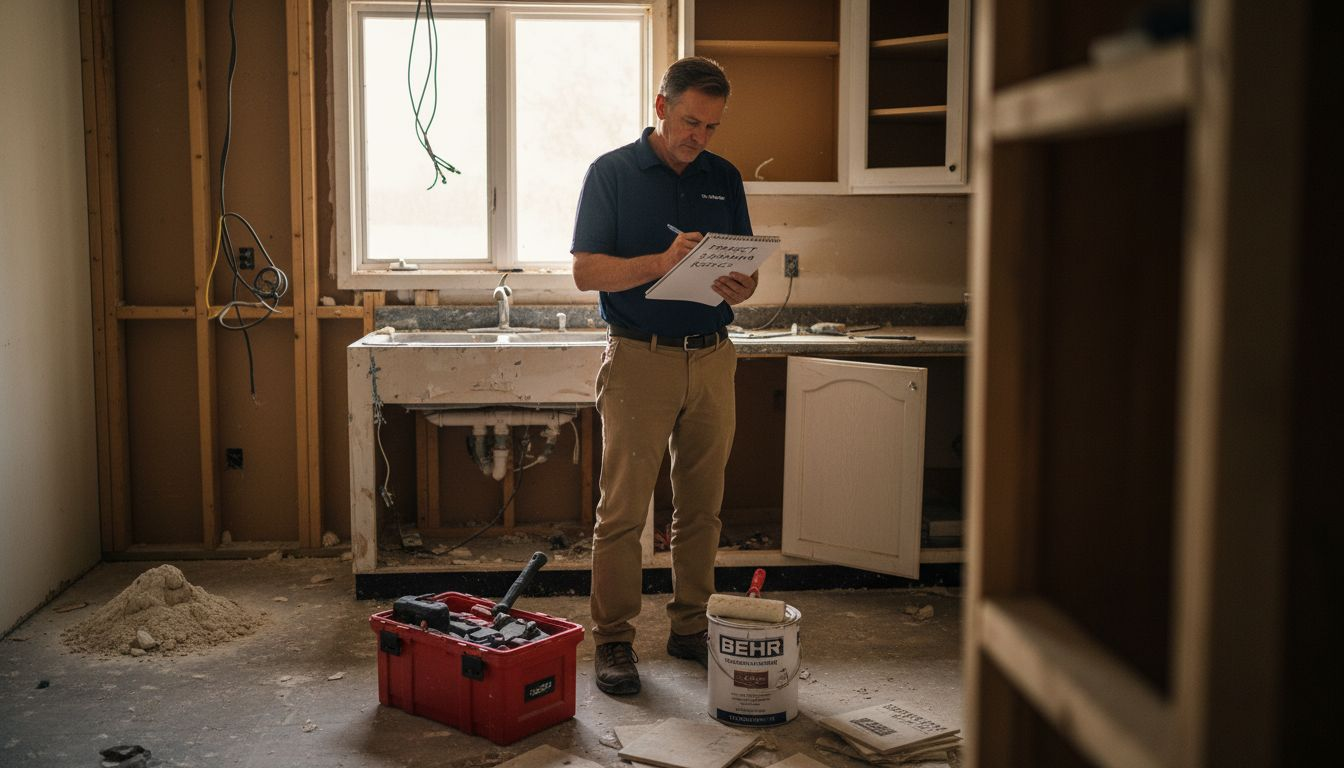
Pro tip: Request detailed portfolios and project case studies during initial consultations to assess a design professional’s experience and alignment with your specific renovation vision.
How the design consultation process works
The design consultation process for home renovations in the Durham Region is a structured, collaborative journey that transforms homeowner visions into actionable, professionally crafted renovation strategies. Pre-application consultations serve as the critical first step in developing a comprehensive renovation roadmap.
Typically, the design consultation process unfolds through several key stages:
-
Initial Discovery Meeting
- Understanding homeowner’s vision and objectives
- Preliminary assessment of project feasibility
- Identifying potential challenges and opportunities
-
Comprehensive Project Evaluation
- Detailed site measurements and existing space analysis
- Budget and resource constraint assessment
- Technical and structural feasibility review
-
Conceptual Design Development
- Creating initial design sketches and 3D renderings
- Presenting multiple design options
- Incorporating homeowner feedback and preferences
Professional design consultants leverage their technical expertise to navigate complex renovation requirements, ensuring that every proposed design meets local building codes, zoning regulations, and the homeowner’s specific functional and aesthetic goals.
Successful design consultation bridges the gap between creative vision and practical implementation, transforming abstract ideas into tangible, achievable renovation strategies.
Key components of an effective design consultation process include:
- Transparent communication
- Collaborative problem-solving
- Detailed documentation and visualization
- Iterative design refinement
- Comprehensive project planning
The consultation process is inherently adaptive, allowing for continuous refinement and adjustment based on emerging insights, budget considerations, and homeowner preferences. Each iteration brings the final design closer to the client’s original vision while maintaining technical integrity and practical feasibility.
Pro tip: Prepare a comprehensive wishlist and reference images before your initial consultation to help design professionals quickly understand your renovation objectives and aesthetic preferences.
Role of local codes and permits in Ontario
Local building codes and permit requirements form the critical backbone of residential renovation processes in Ontario, ensuring safety, quality, and compliance with provincial standards. The 2024 Ontario Building Code serves as the fundamental regulatory framework governing all construction and renovation activities across the province.
Understanding the permit process involves navigating several key requirements:
- Building Permit Necessity: Required for most structural, electrical, plumbing, and significant renovation projects
- Compliance Documentation: Detailed plans demonstrating adherence to provincial building standards
- Inspection Protocols: Mandatory review stages throughout the renovation process
- Zoning Regulation Alignment: Ensuring project meets local municipal guidelines
- Safety and Accessibility Standards: Meeting comprehensive provincial construction requirements
Municipal building departments play a crucial role in permit administration, carefully reviewing submitted documentation to verify compliance with provincial regulations. Each renovation project must demonstrate alignment with specific technical standards, addressing critical aspects like structural integrity, energy efficiency, and occupant safety.
Local building codes are not bureaucratic obstacles, but essential safeguards protecting homeowners’ investments and ensuring long-term structural reliability.
Key considerations in Ontario’s permit processes include:
- Precise documentation requirements
- Submission timeline expectations
- Potential additional engineering assessments
- Specific municipal interpretation of provincial codes
- Potential heritage preservation considerations
The permit process involves multiple stakeholders, including municipal officials, design professionals, and contractors, who collaboratively ensure that renovation projects meet stringent provincial standards while addressing unique local contexts.
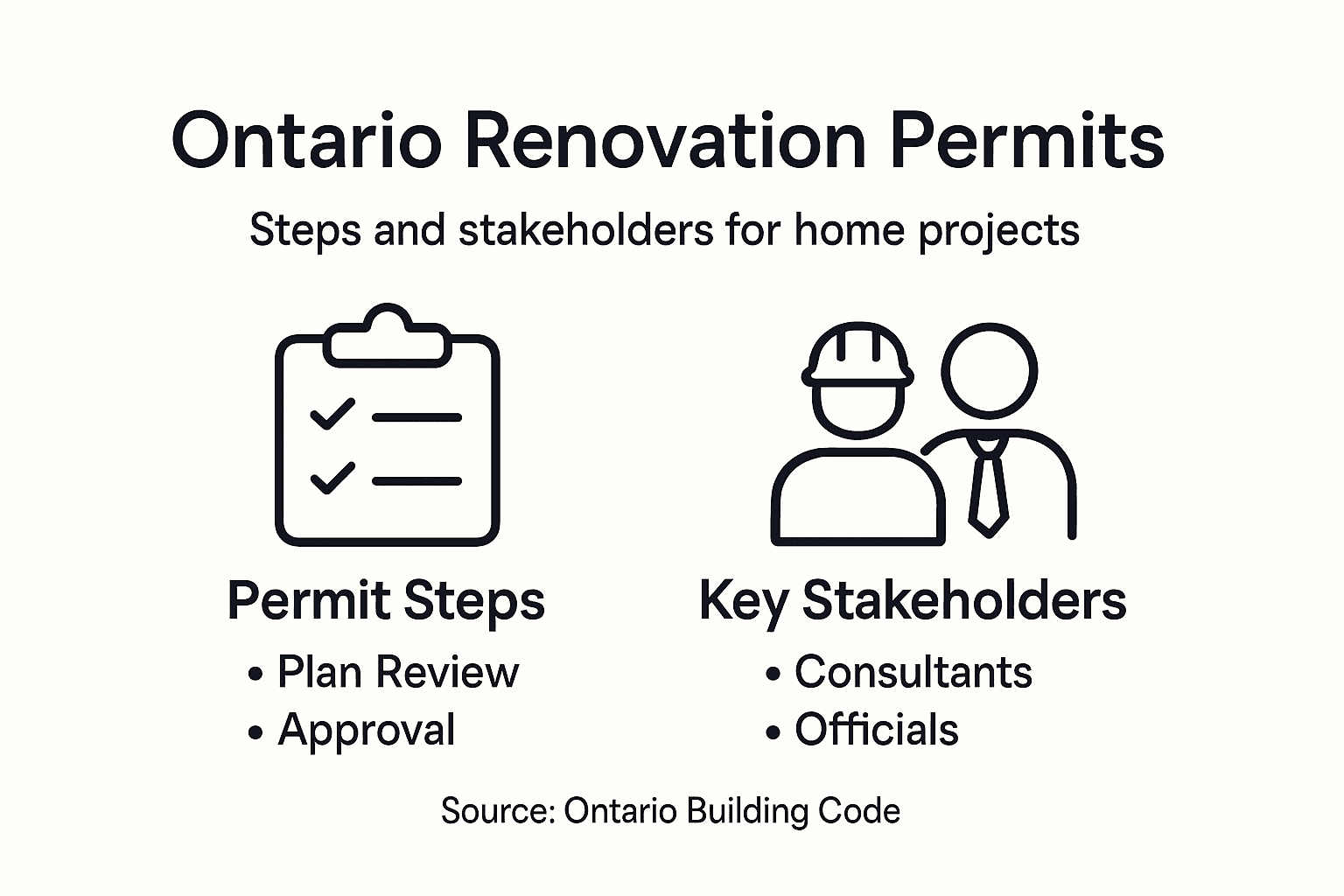
Pro tip: Consult a professional design consultant early in your renovation planning to streamline permit documentation and anticipate potential regulatory challenges.
Responsibilities, risks and cost considerations
Design consultation for home renovations involves complex interactions between multiple stakeholders, each bearing distinct responsibilities and potential risks. Progressive design models require careful risk allocation to ensure successful project outcomes and financial predictability.
Key responsibilities and risk categories include:
-
Homeowner Responsibilities
- Providing accurate project requirements
- Maintaining clear communication
- Approving design iterations
- Making timely financial decisions
-
Design Consultant Responsibilities
- Creating technically feasible designs
- Ensuring regulatory compliance
- Managing project scope
- Providing expert recommendations
-
Contractor Responsibilities
- Executing design specifications
- Managing construction quality
- Adhering to safety standards
- Maintaining project timelines
Financial risks represent a significant consideration in renovation projects, with potential challenges including budget overruns, unexpected structural issues, and material cost fluctuations. Comprehensive risk management strategies help mitigate these potential financial uncertainties.
Effective risk management transforms potential project vulnerabilities into strategic opportunities for enhanced value and performance.
Critical cost consideration factors encompass:
- Material price volatility
- Labour market conditions
- Complexity of design specifications
- Potential unforeseen structural challenges
- Permit and regulatory compliance expenses
Professional design consultants play a crucial role in risk mitigation by providing detailed project assessments, developing comprehensive contingency plans, and offering transparent cost projections that help homeowners make informed decisions.
The following table summarizes key stakeholder roles and associated risks in a renovation project:
| Stakeholder | Primary Responsibility | Common Risks |
|---|---|---|
| Homeowner | Defining needs and approving changes | Scope creep, unclear objectives |
| Consultant | Creating compliant, feasible designs | Over-design, missed regulations |
| Contractor | Executing construction as specified | Delays, quality shortfalls |
| Municipality | Enforcing codes and issuing permits | Misinterpretations, permit delays |
Pro tip: Allocate a contingency budget of 15-20% above estimated project costs to provide financial flexibility for unexpected renovation challenges.
Elevate Your Renovation with Expert Design Consultation from Henley Contracting
Embarking on a home renovation in the Durham Region presents many challenges including aligning your creative vision with local building codes, managing costs, and ensuring your project’s technical feasibility. Homeowners often face frustration navigating permits, risk management, and budget constraints while wanting a space tailored to their lifestyle. At Henley Contracting, we understand the importance of a thorough design consultation that transforms your renovation goals into clear, actionable plans. Our team brings over three decades of expertise to deliver customized solutions that address:
- Regulatory compliance with the Ontario Building Code
- Effective budget planning and risk mitigation
- Seamless coordination of design and construction phases
Gain confidence knowing our Engineering services integrate technical precision with creative design to avoid costly mistakes and ensure a smooth approval process.
Ready to take the next step in transforming your home with a design consultation that truly understands your needs? Contact us at Henley Contracting for trusted guidance and comprehensive renovation support. Start your project now to experience expert craftsmanship combined with strategic planning tailored specifically to your Durham Region home.
Frequently Asked Questions
What is design consultation for renovations?
Design consultation for renovations is a collaborative process where professionals work with homeowners to turn conceptual ideas into actionable renovation plans. It goes beyond basic advice by considering technical feasibility, budget, aesthetics, and compliance with building codes.
How does the design consultation process work?
The design consultation process typically involves several stages, including an initial discovery meeting to understand the homeowner’s vision, a comprehensive project evaluation, and the development of conceptual designs based on feedback and preferences.
Why is it important to hire a professional design consultant for renovations?
Hiring a professional design consultant is crucial because they provide expert knowledge, create sturdy design plans, ensure compliance with local codes, and help mitigate risks associated with renovation projects, ultimately saving homeowners from potential costly mistakes.
What should homeowners prepare before a design consultation?
Homeowners should prepare a comprehensive wishlist, gather reference images, and clearly outline their renovation objectives and aesthetic preferences to help the design consultant understand their vision and requirements quickly.