

Step by Step Home Addition Guide for Ontario Homes
Every homeowner in Durham Region knows the value of a comfortable, spacious home—especially when family needs change or privacy becomes scarce. Planning a home addition means more than just extra square footage. It requires identifying specific needs, understanding Ontario regulations, and carefully considering how your new space will complement your current lifestyle. Guidance is available at every step, from initial goals to hiring trustworthy professionals, empowering you to achieve a seamless, functional transformation.
Table of Contents
- Step 1: Assess Your Space and Goals
- Step 2: Develop Plans and Secure Permits
- Step 3: Select Materials and Hire Professionals
- Step 4: Build the Addition Safely
- Step 5: Inspect, Finish, and Enjoy Your Space
Quick Overview
| Key Takeaway | Explanation |
|---|---|
| 1. Clearly Define Your Goals | Identify specific needs for your home addition, such as space for a growing family or a home office. This guides the entire project. |
| 2. Consult Professionals Early | Work with an architect or designer to create detailed blueprints and navigate local building permit processes effectively. |
| 3. Safeguard Your Investment | Ensure all construction meets Ontario Building Code standards and document each construction phase for future reference. |
| 4. Thoroughly Inspect Before Finish | Conduct comprehensive inspections to verify structural integrity and safety standards before finalizing the addition. |
| 5. Personalize Your Space | Choose finishing materials that reflect your style while ensuring they complement your home’s existing architecture. |
Step 1: Assess Your Space and Goals
Assessing your home addition goals is the critical first step in transforming your living space. This initial phase will help you understand exactly what you want to achieve and how best to make it happen.
Start by thoroughly evaluating your current home layout and identifying specific needs. Are you looking to create more living space for a growing family? Do you need a dedicated home office? Perhaps you want to increase your property’s functionality. Understanding your precise objectives will guide every subsequent decision in the home addition process.
Consider these key factors when assessing your space and goals:
- Property layout and existing structure
- Current square footage and potential expansion areas
- Zoning regulations in your specific Ontario municipality
- Budget constraints and potential return on investment
- Long-term family needs and lifestyle requirements
Your home addition should seamlessly integrate with your existing structure while meeting your functional requirements. This means carefully examining your property’s current configuration and determining the most logical and cost-effective expansion strategy.
The most successful home additions harmoniously blend new space with existing architectural elements.
Measure your available space meticulously and consider consulting with a professional contractor who understands local building codes and can provide expert guidance on potential addition types.
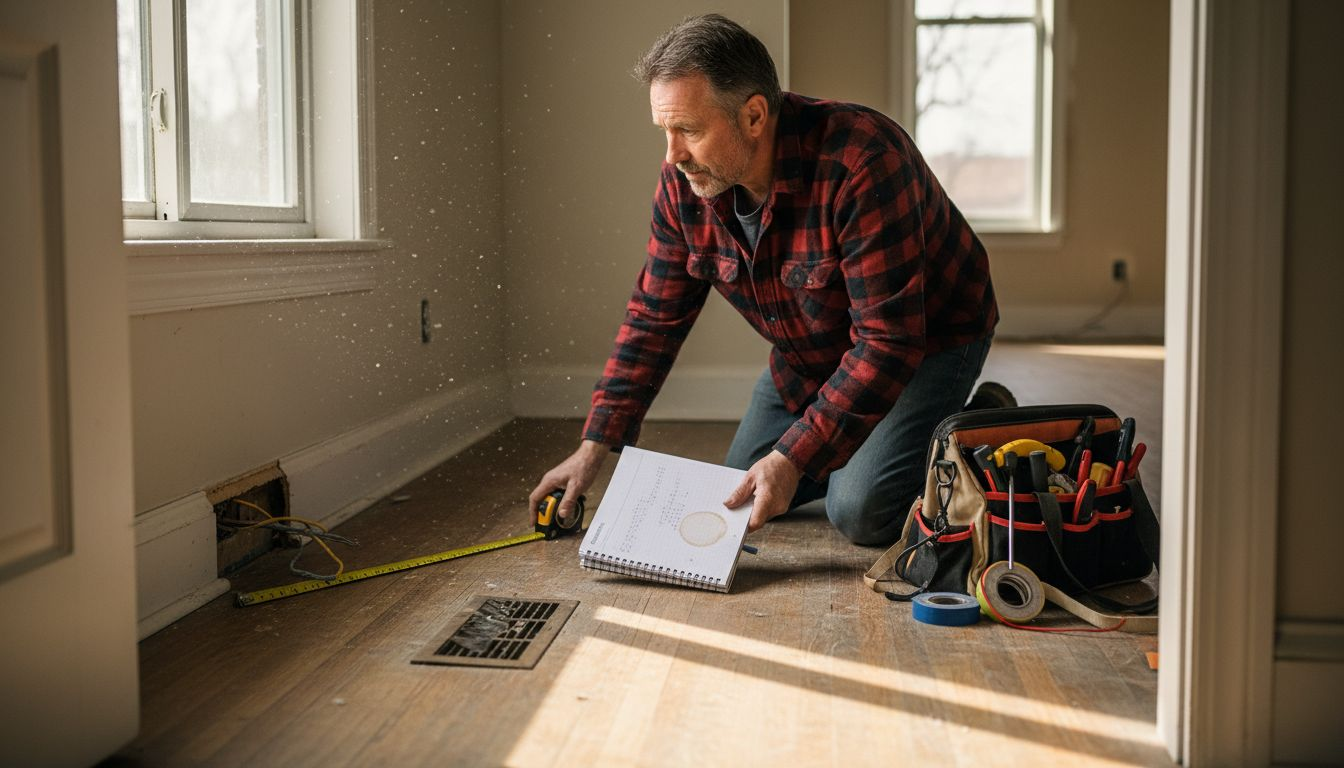
Pro tip: Create a detailed sketch or digital blueprint of your proposed addition before meeting with contractors to communicate your vision more effectively.
Step 2: Develop Plans and Secure Permits
Developing comprehensive plans and securing the necessary permits is a critical phase in your home addition journey. This step transforms your vision from a concept into a legally approved construction project that meets all provincial and municipal requirements.
Begin by working with a professional architect or designer to create detailed blueprints that outline your proposed addition. These plans must comprehensively demonstrate how the new space will integrate with your existing structure while complying with building permit regulations. Your documentation should include:
- Precise architectural drawings
- Structural engineering specifications
- Site plan showing property boundaries
- Detailed construction methodologies
- Energy efficiency considerations
- Compliance with Ontario Building Code standards
Navigation of the permit process requires careful attention to local municipal requirements. Different Ontario municipalities have unique zoning bylaws and approval processes, so consulting with your local building department early is essential. Each jurisdiction may have specific documentation requirements and review timelines.
Thorough preparation of your permit application can significantly expedite the approval process and prevent potential costly delays.
Key steps in securing permits involve submitting comprehensive documentation, paying applicable fees, and potentially undergoing multiple rounds of review by municipal staff. Be prepared to provide additional information or make modifications to your plans as requested by local authorities.
Pro tip: Consider hiring a professional permit expediter who understands local regulations and can help streamline your application process.
Step 3: Select Materials and Hire Professionals
Selecting the right materials and hiring qualified professionals are pivotal steps that will determine the success of your home addition project. This phase requires careful research, strategic decision-making, and a thorough understanding of Ontario’s construction standards.
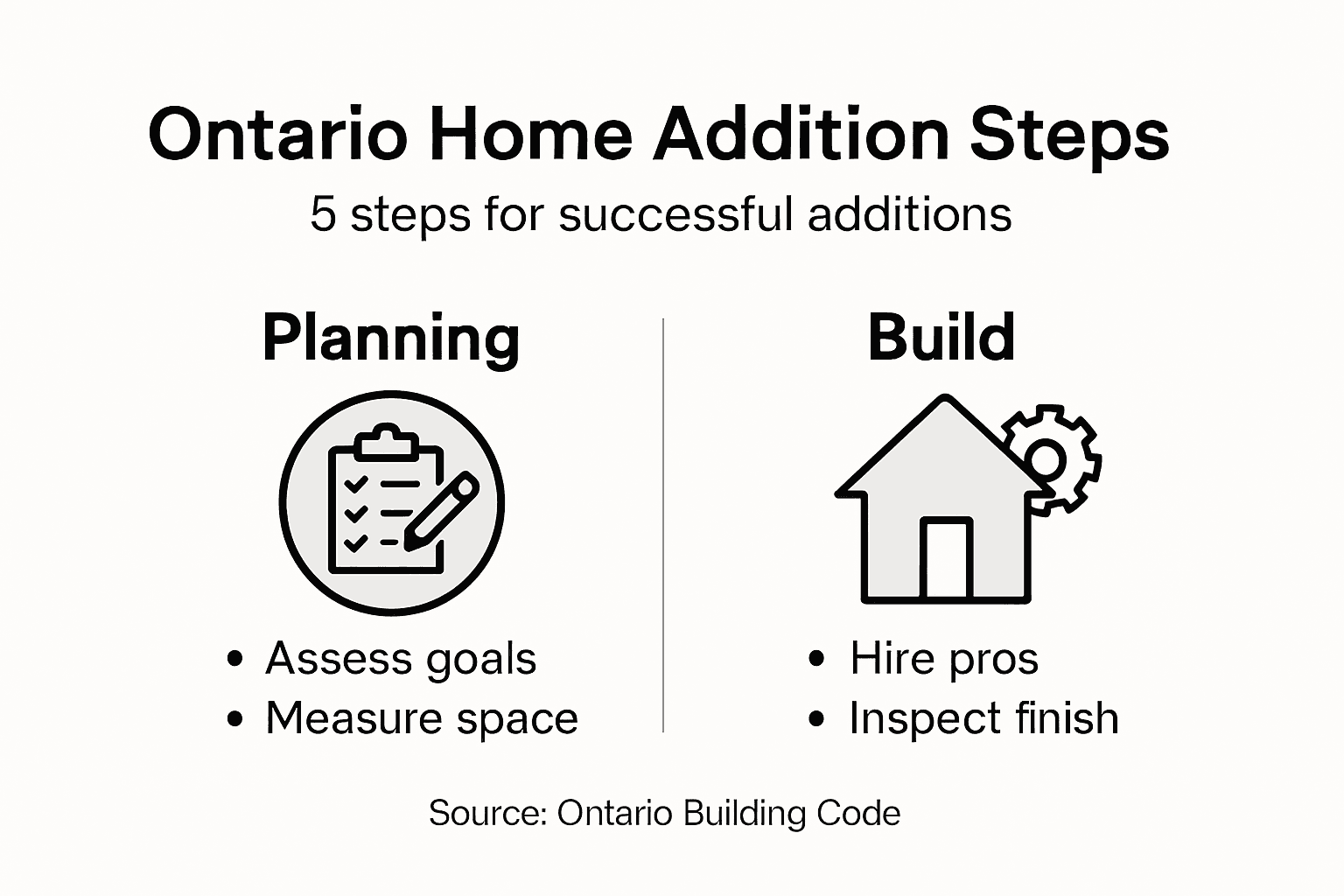
Begin by investigating reputable local contractors who are verified through official regulatory channels. Your selection process should involve comprehensive background checks, including reviewing their licensing status, insurance coverage, and professional certifications from Skilled Trades Ontario. Look for contractors with established track records in home additions specifically within the Durham Region.
Key considerations when selecting materials and professionals include:
- Durability and performance of construction materials
- Local building code compliance
- Energy efficiency ratings
- Cost-effectiveness and long-term value
- Contractor’s specialization in home addition projects
- References and past project portfolios
When interviewing potential contractors, request detailed written estimates and ensure they provide comprehensive breakdowns of material costs, labour, and projected timelines. Verify their workplace insurance and ask about warranty provisions for both materials and workmanship.
Choosing the right professionals and materials is an investment in your home’s future functionality and value.
Carefully review all contracts, ensuring they clearly outline project scope, payment schedules, and specific material specifications. Communication and transparency are critical throughout the selection process.
Pro tip: Request samples of proposed materials and ask contractors to provide detailed 3D renderings of your planned addition to help visualize the final result.
Here is a quick comparison of key professional roles involved in a home addition project in Ontario:
| Role | Primary Responsibility | Typical Credentials |
|---|---|---|
| Architect | Design and blueprints | OAA membership |
| Structural Engineer | Safety and load-bearing calculations | Professional engineer (P.Eng) |
| Contractor | Construction and project management | Licensed, insured |
| Permit Expediter | Navigating municipal approvals | Local regulatory experience |
Step 4: Build the Addition Safely
Building your home addition safely requires meticulous attention to detail, strict adherence to provincial standards, and consistent quality control throughout the construction process. Your goal is to transform your carefully planned design into a structurally sound, code-compliant living space.
Begin by ensuring that every aspect of construction meets mandatory safety standards in the Ontario Building Code. This involves working closely with your contractor to verify that all construction techniques, materials, and structural elements comply with current provincial regulations. Critical safety checkpoints include:
- Proper foundation preparation and anchoring
- Structural integrity assessments
- Electrical and plumbing system installations
- Fire safety considerations
- Moisture and insulation protection
- Accessibility and load-bearing requirements
During construction, expect multiple municipal inspection stages designed to verify compliance and identify potential issues early. Documenting each construction phase becomes crucial, as inspectors will review work at different stages and must approve progress before you can continue.
Safety in home additions is not an option—it’s a fundamental requirement that protects your investment and your family.
Maintain open communication with your contractor, ensuring they provide detailed progress reports and immediately address any structural or safety concerns that emerge during construction.
Pro tip: Keep a comprehensive photographic and written record of each construction stage to document compliance and create a valuable reference for future maintenance.
Step 5: Inspect, Finish, and Enjoy Your Space
As you approach the final stage of your home addition project, the excitement of seeing your vision come to life reaches its peak. This concluding phase transforms your carefully planned construction into a functional, beautiful living space that seamlessly integrates with your existing home.
Begin by conducting thorough final inspections to ensure code compliance. Critical inspection points include:
- Structural integrity verification
- Electrical system safety checks
- Plumbing functionality assessment
- Insulation and weatherproofing examination
- Fire safety compliance
- Accessibility standards confirmation
Once all official inspections are complete, focus on the finishing touches that will truly make the space your own. Carefully select materials and finishes that complement your existing home’s style while adding personal flair. This might involve choosing paint colours, installing flooring, adding trim work, and selecting fixtures that enhance both aesthetics and functionality.
The final touches transform a construction project into a home—a space that reflects your unique personality and meets your family’s needs.
Document all warranties, inspection reports, and final approvals carefully. These records are crucial for future maintenance, potential resale, and your peace of mind. Take time to appreciate the journey and the incredible transformation you’ve achieved.
The following summary highlights important inspection checkpoints during the final phase:
| Inspection Area | Focus of Review | Importance |
|---|---|---|
| Structural integrity | Foundation, load-bearing walls | Ensures safety and longevity |
| Electrical systems | Code-compliant wiring | Prevents hazards |
| Plumbing | Leak and flow tests | Confirms functionality |
| Fire Safety | Smoke alarms, exits | Required for occupancy |
Pro tip: Schedule a professional deep clean after construction to remove dust and debris, allowing you to fully enjoy and appreciate your beautiful new living space.
Bring Your Ontario Home Addition Vision to Life with Henley Contracting
Navigating the complexities of a home addition can feel overwhelming—from balancing budget constraints and zoning regulations to selecting materials and ensuring safety compliance. If you want to expand your Ontario home seamlessly while meeting all provincial standards and your family’s unique needs, expert guidance is essential. Henley Contracting has over 30 years of experience helping homeowners across Durham, Kawartha Lakes, and Northumberland County transform their spaces through quality craftsmanship and custom solutions.
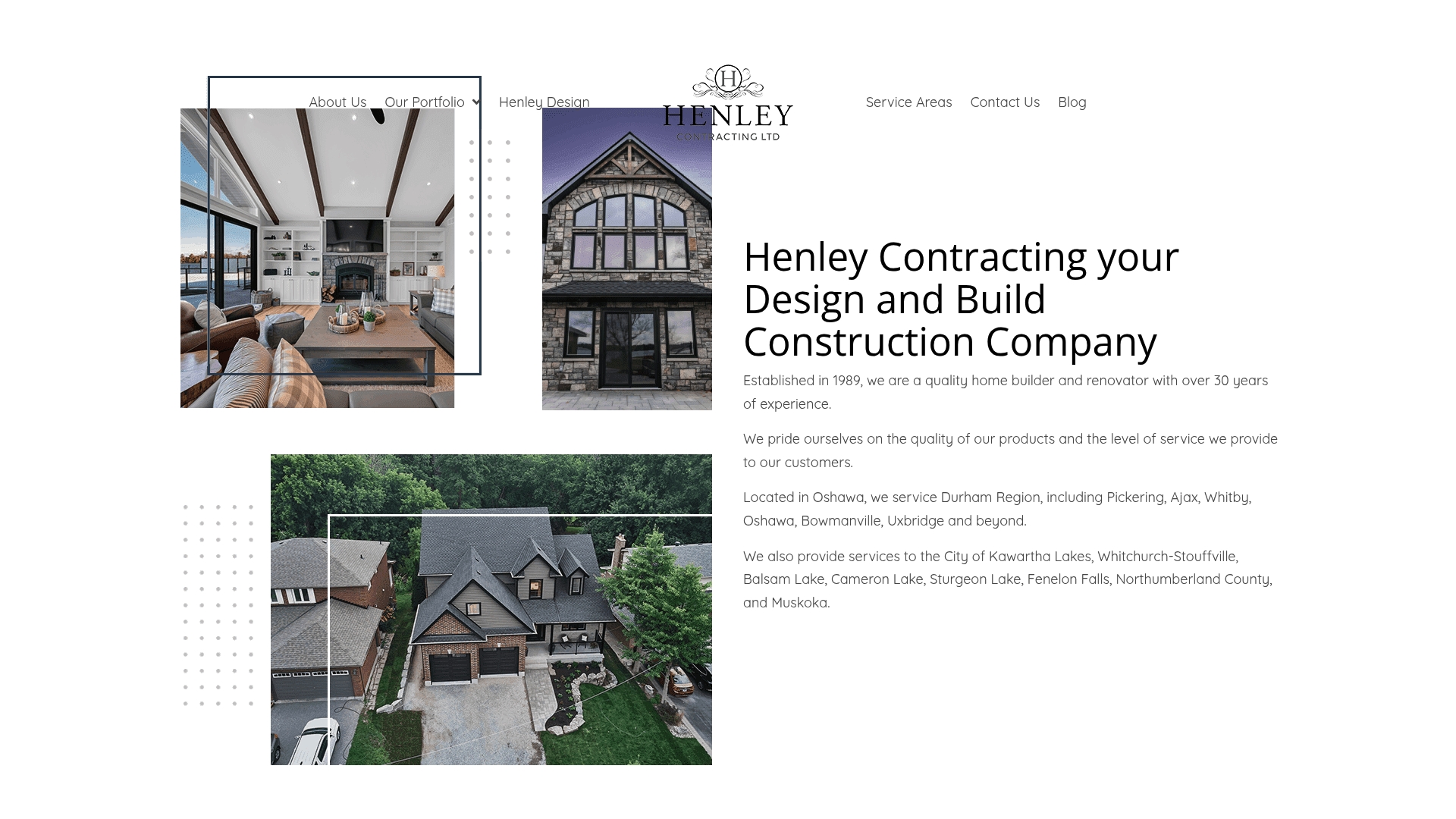
Discover how our team can support every stage of your project, from initial plans to the final finishing touches. Whether you need assistance with structural renovations or are considering a full custom build, explore our Renovations – Henley Contracting Ltd. and Custom Build – Henley Contracting Ltd. services. Don’t let permit challenges or contractor uncertainties delay your dream addition. Visit https://henley.digibundletool.com today to schedule a consultation and take the first step towards a home that truly fits your lifestyle.
Frequently Asked Questions
What should I consider when assessing my home addition goals in Ontario?
Begin by evaluating your current space and identifying specific needs, such as more room for a growing family or a dedicated home office. Create a detailed list of your objectives and sketch potential layouts to discuss with a professional.
How do I secure permits for my home addition in Ontario?
To secure permits, first develop comprehensive plans with a professional architect that meet local building regulations. Submit your application to your municipality along with all necessary documents and fees to obtain approval, aiming for submission within 30 days to expedite the process.
What factors should I look for when selecting materials for my home addition?
Prioritize durability, energy efficiency, and compliance with local building codes when selecting materials. Conduct thorough research and request samples to ensure they align with your overall design and investment goals.
How can I ensure the safety of my home addition during construction?
Ensure safety by closely monitoring the construction process and adhering to the Ontario Building Code at every stage. Schedule regular inspections with your contractor to verify compliance and address any issues promptly, ideally conducting these checks weekly.
What final inspections are necessary before I can use my new space?
Before using your new space, conduct final inspections on structural integrity, electrical systems, plumbing functionality, and fire safety compliance. Aim to complete these inspections within a week after construction to ensure everything meets safety standards.