

Customer Service in Construction – Impact on Homeowners
Choosing the right contractor for your Durham Region renovation can feel overwhelming when every detail matters and your home’s future is at stake. Construction projects are unique because they rely on complex, long-term collaboration and transparent communication. Homeowners benefit most from a contractor who understands the full customer journey and prioritizes quality customer service that transforms stressful projects into smooth, trustworthy experiences. Discover how reliable service shapes better outcomes and lasting relationships for Canadian homeowners.
Table of Contents
- Defining Customer Service In Construction
- Key Types Of Customer Interactions
- Building Trust And Managing Expectations
- Addressing Issues And Handling Complaints
- Impact On Project Success And Long-Term Value
Key Takeaways
| Point | Details |
|---|---|
| Comprehensive Customer Service | Customer service in construction involves proactive, long-term interactions that build trust and meet homeowner expectations. |
| Nuanced Communication | Effective communication strategies are essential at different project stages to ensure clarity and foster strong relationships. |
| Trust and Reliability | Contractors must uphold transparency, set realistic expectations, and demonstrate reliability to build lasting client trust. |
| Impact on Project Success | Exceptional customer service contributes significantly to project success, enhancing satisfaction and fostering future collaboration. |
Defining Customer Service in Construction
Customer service in construction represents far more than simple transactions – it’s a comprehensive approach to meeting homeowner expectations throughout their building or renovation journey. Unlike retail or service industries, construction customer service involves complex, long-term interactions that require deep technical knowledge, transparent communication, and consistent reliability.
At its core, customer service in construction focuses on solving customer problems satisfactorily, which means addressing not just immediate concerns but anticipating potential challenges before they emerge. This proactive strategy involves several critical dimensions:
- Communication transparency regarding project timelines and potential obstacles
- Detailed explanations of technical processes and design choices
- Regular progress updates and collaborative problem-solving
- Responsive management of client expectations and concerns
The construction industry is experiencing significant transformation, with digital technologies and evolving stakeholder demands reshaping traditional service models. Successful contractors now recognize that quality customer service extends beyond completing structural work – it encompasses creating a holistic, trustworthy experience that builds long-term relationships.
Key service quality dimensions include reliability, clear communication, and demonstrating technical competence. Homeowners want contractors who not only deliver excellent physical results but also provide a smooth, stress-free project experience that makes them feel valued and understood.
Pro tip: Before selecting a construction contractor, request references and review their communication processes to ensure they prioritize transparent, responsive customer service.
Key Types of Customer Interactions
Construction customer interactions are far more nuanced than simple business transactions. Stakeholder relationships in construction projects involve complex, multi-layered communications that span different project stages and involve multiple participants, from homeowners to architects and contractors.
These interactions typically occur across three primary stages:
- Pre-Project Interactions: Initial consultations, design discussions, and contract negotiations
- Active Project Interactions: Regular site meetings, progress updates, and collaborative problem-solving
- Post-Project Interactions: Final walkthrough, warranty discussions, and long-term relationship management
Each interaction type requires different communication strategies and technical expertise. For instance, pre-project discussions demand clear explanations of technical possibilities, while active project interactions focus on transparent progress reporting and responsive issue resolution.
The customer journey in construction is dynamic and encompasses multiple service encounters, ranging from initial contact through project completion and follow-up support. Successful contractors understand that these interactions are not isolated events but interconnected touchpoints that collectively shape the client’s overall experience.
This table compares the stages of client interaction in construction projects:
| Stage | Main Participants | Typical Activities | Communication Approach |
|---|---|---|---|
| Pre-Project | Homeowner, architect | Consultation, design, contract review | Detailed technical explanations |
| Active Project | Contractor, homeowner | Progress meetings, updates, issue resolution | Transparent reporting, quick responses |
| Post-Project | Contractor, client | Final inspection, warranty support | Ongoing support and follow-up |
Pro tip: Document every interaction during your construction project and request written communication to maintain clear, trackable project conversations.
Building Trust and Managing Expectations
Building trust in construction is a delicate and intentional process that goes far beyond simply completing a project. Effective client communication underpins successful relationships, requiring contractors to demonstrate reliability, transparency, and consistent professionalism throughout every interaction.
Key strategies for establishing trust include:
- Providing crystal-clear project documentation
- Maintaining consistent and proactive communication
- Setting realistic timelines and budget expectations
- Addressing potential challenges openly and promptly
- Demonstrating technical expertise and problem-solving capabilities
North American construction models recognize that trust development requires deliberate management, acknowledging the industry’s historical adversarial tendencies. This means moving beyond traditional transactional relationships to create collaborative partnerships that prioritize mutual understanding and shared project goals.
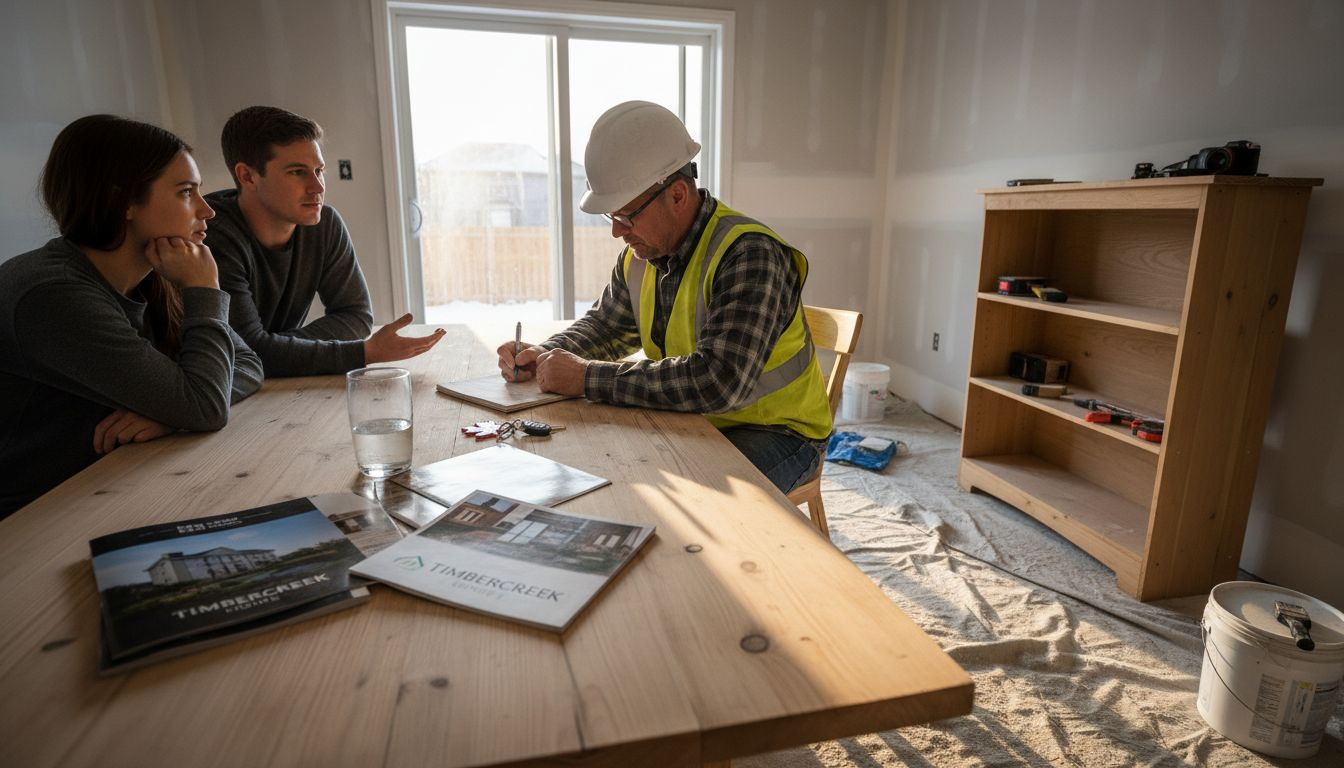
Managing client expectations involves creating a comprehensive communication framework that anticipates potential misunderstandings and proactively addresses them. Successful contractors understand that trust is not a one-time achievement but an ongoing process that requires consistent effort, transparency, and genuine commitment to the client’s vision and satisfaction.
Pro tip: Create a detailed communication plan at your project’s outset, outlining exactly how and when you’ll provide updates to prevent misunderstandings.
Addressing Issues and Handling Complaints
In the complex world of construction, conflicts and challenges are inevitable. Dispute resolution methods in Canadian construction projects provide structured approaches to managing and resolving potential disagreements professionally and efficiently.
Key strategies for effective complaint handling include:
- Establishing a clear, transparent complaint intake process
- Acknowledging issues promptly and professionally
- Conducting thorough, impartial investigations
- Proposing fair and practical solutions
- Documenting all communication and resolution steps
Effective complaint management requires a systematic approach that goes beyond simple problem-solving. Complaint handling processes typically involve several critical stages: initial receipt, careful assessment, detailed investigation, and constructive resolution.
Successful contractors understand that how they handle complaints can make or break client relationships. This means creating a robust communication framework that transforms potential conflicts into opportunities for demonstrating professionalism, technical expertise, and genuine commitment to client satisfaction.
Pro tip: Create a standardized complaint resolution template that outlines clear steps for documenting, investigating, and resolving client concerns systematically.
Impact on Project Success and Long-Term Value
Customer service in construction extends far beyond immediate project completion, directly influencing long-term project success and stakeholder relationships. Strategic relationship management becomes a critical determinant of overall project outcomes, affecting everything from budget adherence to future collaboration opportunities.
Key factors that demonstrate the impact of exceptional customer service include:
- Reduced project conflict and dispute resolution time
- Enhanced team collaboration and communication
- Improved client satisfaction and repeat business potential
- More efficient problem-solving during project lifecycle
- Greater likelihood of positive referrals and recommendations
Communication effectiveness significantly influences project success, determining critical project metrics such as timeline adherence, budget management, and overall stakeholder satisfaction. Contractors who invest in robust communication protocols create substantial competitive advantages that extend well beyond individual project boundaries.
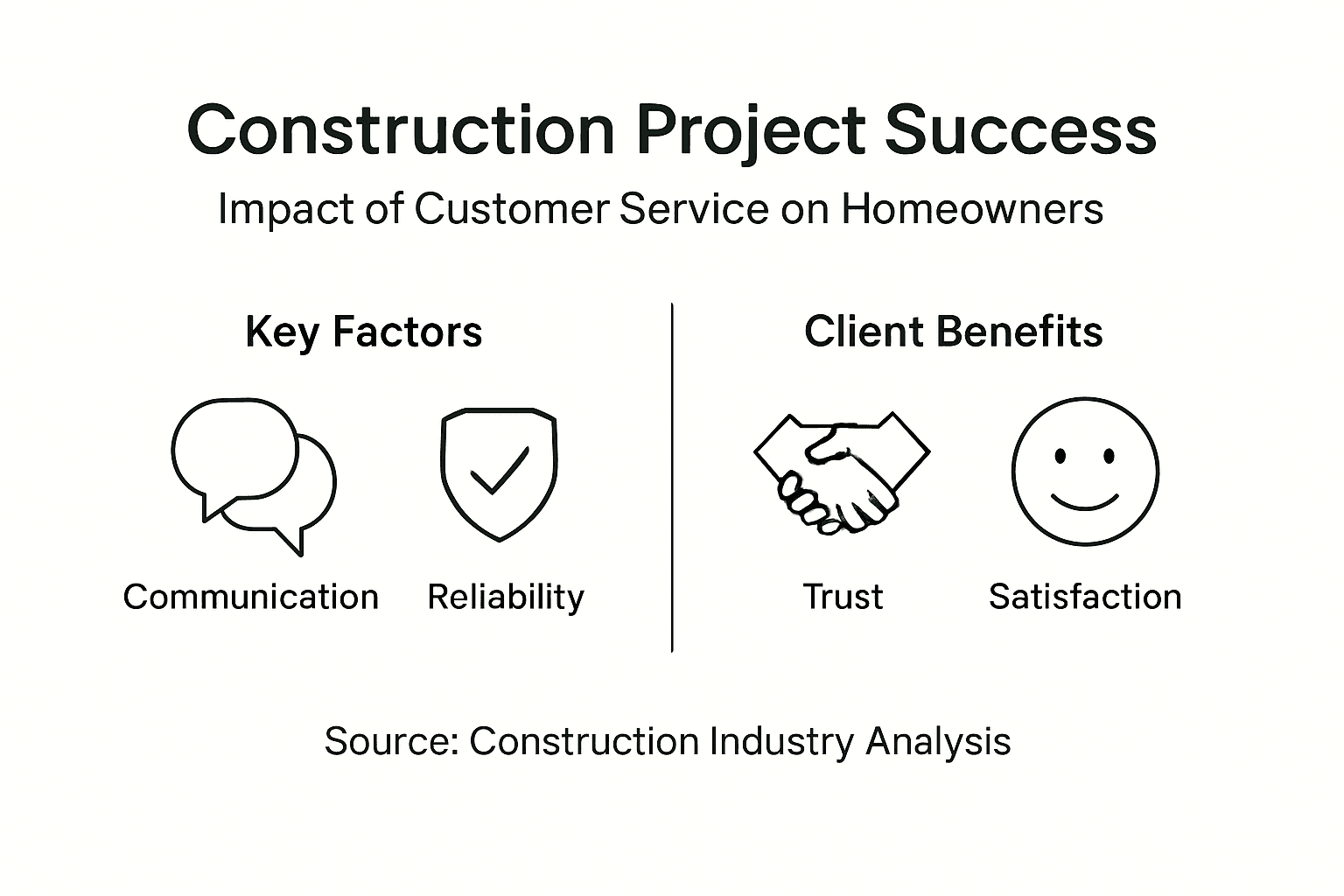
Ultimately, exceptional customer service transforms construction from a transactional experience into a collaborative partnership. By prioritizing transparent communication, proactive problem-solving, and genuine client engagement, contractors can convert individual projects into long-term value propositions that generate sustained trust and future opportunities.
Here’s a summary of how customer service affects construction project outcomes:
| Factor | Effect on Project Success | Benefit to Clients |
|---|---|---|
| Effective communication | Minimizes misunderstandings | Reduces stress and confusion |
| Timely issue resolution | Keeps project on schedule | Boosts confidence in contractor |
| Transparent documentation | Enhances trust among stakeholders | Provides clarity and accountability |
| Long-term relationship focus | Leads to repeat business | Encourages future collaboration |
| Collaborative approach | Strengthens team dynamics | Fosters positive experience |
Pro tip: Document every client interaction and regularly seek feedback to continuously refine your customer service approach and demonstrate commitment to improvement.
Elevate Your Construction Experience With Trusted Customer Service
Navigating the complexities of home construction or renovation requires more than just skilled workmanship it demands clear communication, proactive problem-solving, and unwavering trust. If you seek a construction partner who values transparent updates and understands the unique challenges homeowners face, explore our Custom Build and Renovations services designed to deliver reliability and peace of mind throughout your project.
Experience the lasting benefits of professional customer service with Henley Contracting Ltd. Based in Oshawa and serving Durham, Kawartha Lakes, and Northumberland County, our commitment to quality and client satisfaction ensures your vision becomes reality without stress or surprises. Take your first step today by visiting Henley Contracting and connect with a team dedicated to building more than homes we build lasting relationships.
Frequently Asked Questions
How does customer service impact homeowners in construction projects?
Effective customer service in construction affects homeowners by ensuring transparent communication, timely issue resolution, and overall satisfaction, leading to better project outcomes and long-term relationships with contractors.
What are some key elements of good customer service in the construction industry?
Key elements include clear communication, reliability, proactive problem-solving, technical competence, and maintaining transparency about project timelines and potential challenges.
How can homeowners ensure they receive quality customer service from their contractors?
Homeowners can ensure quality service by requesting references, reviewing previous projects, and creating a detailed communication plan at the project’s outset to clarify updates and expectations.
What should homeowners do if they encounter issues during a construction project?
If issues arise, homeowners should communicate concerns promptly, document interactions, and follow the contractor’s complaint resolution process to ensure issues are addressed systematically.