

Heritage Home Renovation: Balancing History and Comfort
Preserving the unique character of a historic home in Durham Region means more than good intentions. Under the Ontario Heritage Act, properties recognized for their architectural or cultural value are protected, and homeowners face a clear challenge—respecting the past while meeting modern needs. Understanding the legal process, local registers, and practical steps for heritage home renovation gives you the foundation to safeguard history with expert planning and craftsmanship.
Table of Contents
- Defining Heritage Home Renovation in Ontario
- Types of Heritage Designation and Registers
- Legal Framework and Permit Process in Ontario
- Balancing Preservation with Modern Upgrades
- Costs, Challenges, and How to Avoid Pitfalls
Key Takeaways
| Point | Details |
|---|---|
| Heritage Preservation | Renovating heritage homes in Ontario requires an understanding of the original architectural significance and compliance with preservation standards. |
| Types of Heritage Designation | There are various heritage designations in Ontario, each offering different levels of protection and requirements for property owners. |
| Permit Process | The heritage permit application process involves multiple stages, including initial consultations and detailed documentation submissions. |
| Financial Planning | Homeowners should budget an additional 20-40% for heritage renovations to accommodate potential restoration challenges and costs. |
Defining Heritage Home Renovation in Ontario
Heritage home renovation in Ontario represents a delicate balance between preserving historical architectural significance and creating functional living spaces for contemporary families. These projects require specialized knowledge and respect for the property’s original character, focusing on maintaining the unique cultural and architectural elements that make each heritage home distinctive.
Under the Ontario Heritage Act, heritage properties receive special recognition and protection based on their cultural, historical, or architectural value. Municipalities play a critical role in identifying and designating these significant properties through a comprehensive evaluation process that involves:
- Detailed property research
- Historical significance assessment
- Architectural feature documentation
- Municipal heritage register registration
- Establishment of preservation guidelines
Successful heritage home renovations require a nuanced approach that respects the original architectural integrity while integrating modern comfort and functionality. Homeowners must navigate complex preservation requirements and work closely with heritage preservation experts to ensure their renovation meets both historical conservation standards and contemporary living needs.
The City of Ottawa’s Heritage Grant Program provides an excellent example of municipal support for heritage home restoration. These grant programs offer financial assistance to property owners committed to maintaining the historical attributes of their designated homes, encouraging responsible preservation and thoughtful renovation strategies.
Pro tip: Before starting any heritage home renovation, consult with a local heritage preservation specialist to understand specific municipal guidelines and potential financial support mechanisms available in your region.
Types of Heritage Designation and Registers
In Ontario, heritage property designation is a nuanced process that provides multiple layers of recognition and protection for historically significant buildings. The Ontario Heritage Act establishes comprehensive frameworks for identifying and preserving properties of cultural and architectural importance.
The primary types of heritage designations in Ontario include:
- Part IV Individual Property Designation: Allows municipalities to protect individual properties with significant cultural heritage value
- Part V Heritage Conservation Districts: Enables protection of entire neighbourhood clusters with cohesive historical characteristics
- Municipal Heritage Registers: Provides interim recognition for properties with potential heritage significance
- Provincial Heritage Properties: Recognizes buildings owned by provincial government agencies
Each designation type offers different levels of protection and carries specific legal implications for property owners. Part IV designations require formal municipal by-law processes, while Part V designations involve comprehensive district-wide heritage management strategies. These mechanisms ensure that properties with historical importance receive appropriate conservation and maintenance guidance.
Here is a comparison of the main types of heritage property designations in Ontario:
| Designation Type | Scope of Protection | Who Governs |
|---|---|---|
| Part IV Individual Designation | Single property, specific | Local municipality |
| Part V Heritage Conservation Dist. | Entire neighbourhood cluster | Local municipality |
| Municipal Heritage Register | Interim listing, all types | Local municipality |
| Provincial Heritage Property | Provincially-owned buildings | Province of Ontario |
The Ontario Heritage Trust Register serves as a centralized database documenting designated heritage properties across the province. This comprehensive resource provides transparency and facilitates public access to information about historically significant buildings, supporting research, preservation efforts, and community engagement with Ontario’s architectural heritage.
Pro tip: Before purchasing a heritage-designated property, carefully review the specific designation type and associated preservation requirements to understand potential renovation restrictions and opportunities.
Legal Framework and Permit Process in Ontario
Navigating the legal framework for heritage home renovations in Ontario requires a comprehensive understanding of municipal and provincial regulations. Heritage permit applications involve complex processes designed to protect the historical integrity of designated properties while allowing meaningful restoration and modernization.
The heritage permit process typically involves several critical stages:
- Initial Consultation: Meeting with municipal heritage staff to discuss proposed renovations
- Documentation Preparation: Developing detailed plans and historical assessments
- Application Submission: Providing comprehensive renovation documentation
- Technical Review: Municipal heritage department evaluation of proposed changes
- Approval or Modification Requests: Formal decision on permit application
Properties designated under Part IV and Part V of the Ontario Heritage Act require specific considerations. These designations mandate that any alterations, additions, or significant modifications must demonstrate respect for the building’s original architectural characteristics. Homeowners must submit meticulously prepared documentation that illustrates how proposed renovations will preserve or enhance the property’s heritage value.
The Ottawa heritage permit process distinguishes between staff-level and council-level approvals based on the proposed renovation’s complexity and potential impact. Smaller modifications might receive expedited approval, while more substantial changes require comprehensive municipal council review.
Pro tip: Engage a heritage conservation professional early in your renovation planning to help navigate complex permit requirements and increase the likelihood of successful application approval.
Balancing Preservation with Modern Upgrades
Renovating a heritage home requires a delicate approach that respects historical integrity while integrating contemporary living standards. The goal is to preserve the architectural character that makes these properties unique, while simultaneously ensuring they meet modern comfort and functionality requirements.
Key strategies for successful heritage home upgrades include:
- Sympathetic Material Selection: Using restoration materials that match original specifications
- Hidden Modern Systems: Integrating contemporary infrastructure discreetly
- Reversible Modifications: Ensuring upgrades can be removed without damaging original structures
- Period-Appropriate Design: Maintaining visual consistency with historical architectural elements
- Minimal Structural Interventions: Limiting changes that could compromise original architectural integrity
Modern upgrades can be thoughtfully implemented through careful planning and expert consultation. Homeowners might consider techniques like installing insulation within existing wall cavities, replacing outdated electrical and plumbing systems with contemporary equivalents, and upgrading windows with historically matched designs that offer improved energy efficiency. The key is achieving a seamless integration that respects the home’s original character while providing contemporary living comfort.
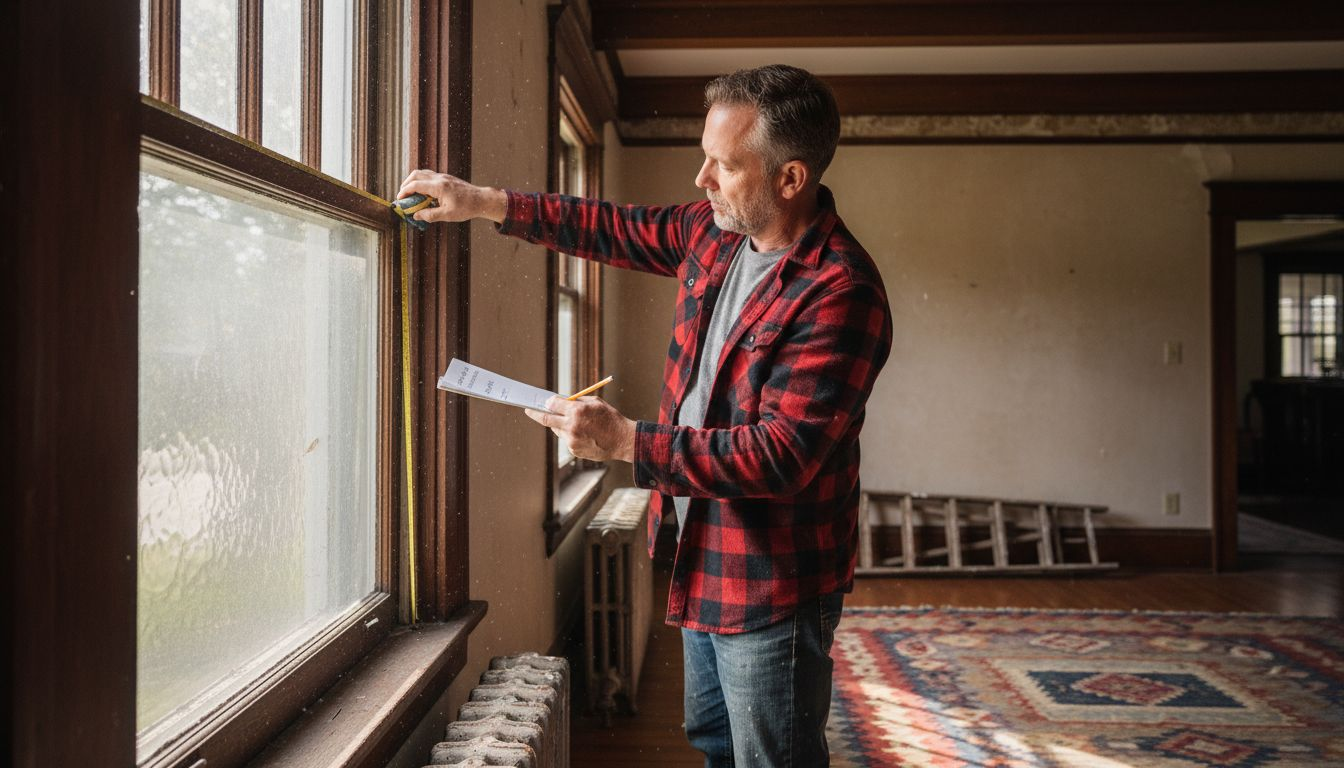
Technological advancements now offer sophisticated solutions for heritage home renovations. Innovations like thermal imaging, non-invasive diagnostic tools, and specialized conservation materials allow contractors to make meaningful improvements without compromising historical authenticity.
Pro tip: Consult with a heritage conservation specialist before implementing any significant renovations to ensure your upgrades align with preservation best practices and maintain the property’s historical significance.
Costs, Challenges, and How to Avoid Pitfalls
Heritage home renovations in Ontario present unique financial and technical challenges that require careful planning and strategic budgeting. Homeowners must prepare for potentially higher expenses compared to standard renovation projects, as preserving historical integrity often demands specialized materials, skilled craftspeople, and meticulous restoration techniques.
Major cost considerations and potential challenges include:
- Material Expenses: Sourcing period-appropriate or custom restoration materials
- Labour Costs: Hiring specialized heritage restoration professionals
- Permit and Consultation Fees: Navigating complex municipal heritage regulations
- Unexpected Structural Issues: Addressing hidden deterioration in older buildings
- Compliance Requirements: Meeting stringent heritage preservation standards
Successful heritage home renovations require proactive planning and a comprehensive understanding of potential financial implications. Homeowners should anticipate allocating approximately 20-40% more budget than traditional renovation projects to account for specialized restoration work, historical authenticity requirements, and potential unforeseen structural challenges. Comprehensive pre-renovation assessments by heritage conservation experts can help identify potential issues and develop more accurate financial projections.
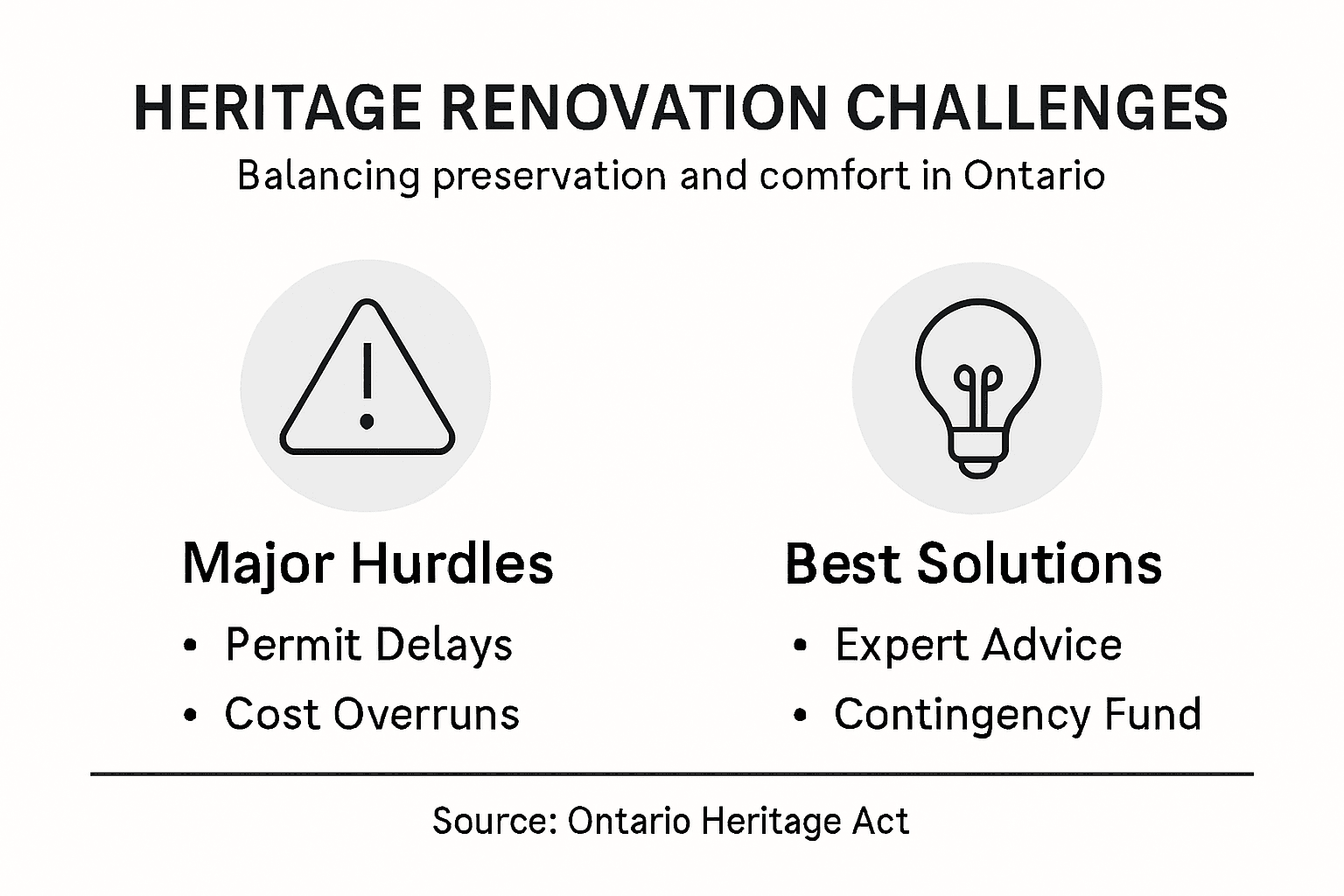
To mitigate financial risks, homeowners should develop a multi-layered strategy that includes thorough research, expert consultations, and flexible contingency planning. This approach involves obtaining multiple professional assessments, developing detailed restoration plans, and maintaining financial reserves to address unexpected discoveries during the renovation process.
The following table highlights challenges and strategies for heritage home renovations:
| Major Challenge | Strategy for Success |
|---|---|
| High restoration costs | Include 25% contingency in budget |
| Compliance with standards | Consult heritage specialists early |
| Sourcing materials | Use approved local suppliers |
| Unforeseen structural issues | Conduct advanced pre-reno assessments |
Pro tip: Create a comprehensive renovation budget that includes a minimum 25% contingency fund to manage unexpected heritage restoration challenges and maintain financial flexibility throughout your project.
Preserve Your Heritage Home with Expert Renovation Solutions
Renovating a heritage home involves overcoming unique challenges like balancing preservation requirements, navigating complex permits, and integrating modern comforts without compromising historical integrity. If you are feeling overwhelmed by sourcing period-appropriate materials or managing strict heritage standards, you are not alone. At Henley Contracting, our experienced team understands the importance of respecting your home’s history while delivering quality craftsmanship tailored to your needs.
Explore our specialized Renovations services designed for sensitive and thoughtful heritage home upgrades. With over three decades serving homeowners across Durham and beyond, we provide trusted guidance through every step—from planning and permit navigation to careful material selection and skilled execution. Start preserving your home’s legacy today by contacting us at Henley Contracting. Let us help you combine timeless charm with modern living without compromise.
Frequently Asked Questions
What is involved in the heritage home renovation process?
Heritage home renovation involves a careful assessment of the property’s historical and architectural features, compliance with preservation guidelines, and the integration of modern amenities while respecting the building’s original character.
How do I obtain a heritage permit for renovations?
To obtain a heritage permit, homeowners must consult with municipal heritage staff, prepare detailed renovation plans, and submit an application that details the proposed changes, demonstrating respect for the building’s heritage value.
What are the common challenges faced during heritage home renovations?
Common challenges include high restoration costs, compliance with heritage preservation standards, sourcing appropriate materials, and dealing with unforeseen structural issues due to the age of the building.
How can I ensure my renovations maintain the historical authenticity of my home?
To maintain historical authenticity, work with heritage conservation specialists, use sympathetic materials that match original specifications, and implement reversible modifications that preserve the integrity of the property.