

Residential Construction Guide for Custom Canadian Homes
Planning a custom home in Durham Region can raise tough questions about quality, cost, and finding trustworthy contractors. These decisions matter because your investment shapes where your family lives for years to come. With a focus on careful budgeting, reliable local professionals, and compliance with the Ontario Building Code, this guide delivers clear steps to help you achieve strong craftsmanship and peace of mind.
Table of Contents
- Step 1: Assess Your Project Needs And Budget
- Step 2: Select The Right Contractor In Your Region
- Step 3: Obtain Required Permits And Approvals
- Step 4: Coordinate Materials And Schedules Efficiently
- Step 5: Inspect Completed Work For Quality Assurance
Quick Summary
| Main Insight | Description |
|---|---|
| 1. Clearly Define Project Needs | Create a detailed list of must-have features and design elements for your custom home project. |
| 2. Establish a Comprehensive Budget | Factor in all costs, including permits and a contingency fund, to ensure financial readiness. |
| 3. Vet Contractors Thoroughly | Compile a list of potential contractors and check their experience, references, and documentation. |
| 4. Navigate the Permit Process | Consult local building departments for necessary permits and comply with regulations for approval. |
| 5. Conduct Rigorous Quality Inspections | Perform thorough walkthroughs and consider hiring a professional inspector before finalizing payments. |
Step 1: Assess your project needs and budget
Custom home construction starts with understanding exactly what you want and how much you can realistically invest. Before hammering the first nail, you need a clear blueprint of your project scope and financial parameters. Canadian housing statistics reveal that successful residential projects begin with thorough upfront planning.
Begin by detailing your specific requirements. Walk through each room and space, noting must-have features versus nice-to-have additions. Are you dreaming of an open concept kitchen? Want extra bathroom space? Consider your family’s current needs and potential future changes. Create a comprehensive list that captures everything from square footage requirements to specific design elements. Research local building codes and zoning regulations in your municipality to understand potential constraints or additional costs.
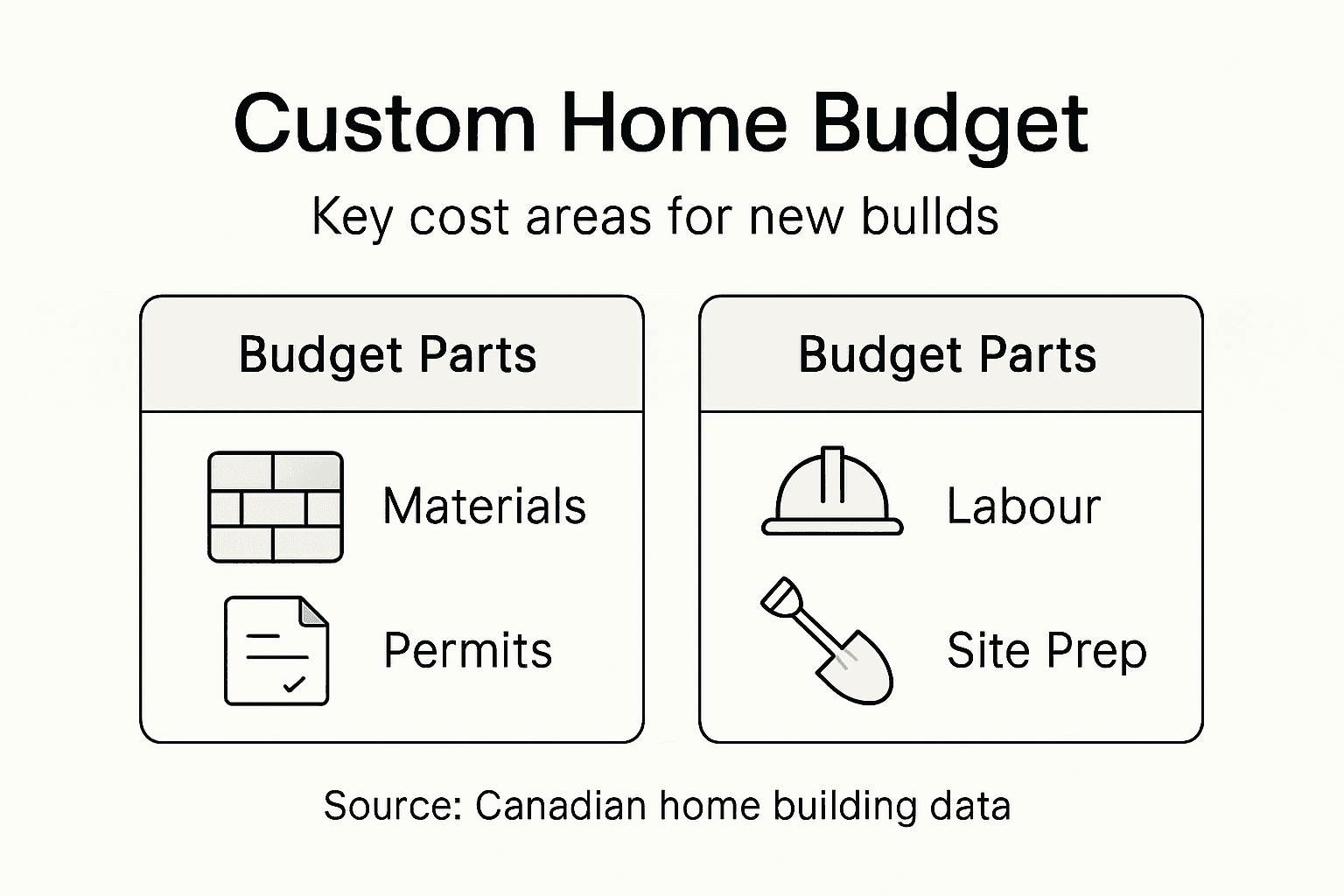
Next, develop a realistic budget that accounts for more than just construction expenses. Factor in permits, site preparation, materials, labour, landscaping, and a contingency fund for unexpected challenges. Financial experts recommend setting aside 10-15% of your total budget for unforeseen expenses. Build Canada Homes initiative emphasizes the importance of aligning project budgets with realistic timelines and potential infrastructure investments.
Here is a summary of typical custom home construction budget components you should consider:
| Cost Component | Typical Percentage of Total Budget | Example Impact |
|---|---|---|
| Construction Expenses | 55–65% | Covers all major building works |
| Permits & Fees | 3–7% | Includes municipal and provincial approvals |
| Materials | 15–25% | Quality affects durability and appearance |
| Labour | 10–20% | Cost varies by contractor experience |
| Landscaping | 5–10% | Improves curb appeal and property value |
| Contingency Fund | 10–15% | Protects against unforeseen expenses |
Expert Tip: Schedule consultations with at least three local contractors to get comprehensive project estimates and validate your initial budget assumptions.
Step 2: Select the right contractor in your region
Finding the perfect contractor is crucial for transforming your custom home vision into reality. Your choice will directly impact the quality, timeline, and overall success of your residential construction project. Canadian Home Builders’ Association recommendations emphasize the importance of thorough vetting to ensure you partner with a reliable professional.

Start by compiling a list of potential contractors through local referrals, professional associations, and online reviews. Focus on professionals with proven experience in custom home construction within the Durham Region. Look for contractors who are members of reputable organizations and hold relevant certifications. Ontario consumer protection guidelines suggest requesting detailed written estimates from at least three contractors to compare approaches, pricing, and expertise. During initial consultations, ask pointed questions about their experience with projects similar to yours, review their portfolio of completed work, and verify their licensing and insurance credentials.
Evaluate each contractor beyond just their pricing. Consider their communication style, responsiveness, and ability to understand your specific project requirements. Request and thoroughly check references from previous clients, paying attention to the quality of their work, adherence to timelines, and how they handled unexpected challenges. A reputable contractor should be transparent about potential complications and provide clear, detailed contracts that outline scope of work, materials, timelines, and payment schedules.
Expert Tip: Request to visit previous job sites and speak directly with past clients to gain genuine insights into the contractor’s workmanship and reliability.
Step 3: Obtain required permits and approvals
Securing the necessary permits is a critical step in transforming your custom home design into a legal construction project. Navigating the permitting process requires careful attention to detail and understanding of local regulations. Ontario building permit guidelines outline the essential steps for ensuring your residential construction meets all provincial and municipal requirements.
Begin by scheduling a comprehensive consultation with your local municipal building department. Different regions in the Durham area may have specific zoning regulations and building codes that directly impact your construction plans. You will typically need to submit detailed architectural drawings, site plans, and engineering specifications. These documents should demonstrate compliance with the Ontario Building Code, including structural integrity, electrical systems, plumbing, and safety standards. Provincial construction permit requirements emphasize the importance of thorough documentation to expedite the approval process.
Expect the permit application process to involve multiple stages of review. Your submitted plans will be examined for compliance with local building codes, zoning bylaws, environmental regulations, and community design standards. Be prepared to make potential revisions or provide additional documentation if requested. Some permits may require separate approvals from utility companies, environmental agencies, or heritage preservation boards. Maintain open communication with municipal officials and be patient throughout the review process.
Expert Tip: Retain digital and physical copies of all permit documentation and correspondence throughout the approval process to maintain a comprehensive record.
Step 4: Coordinate materials and schedules efficiently
Successful custom home construction hinges on meticulous planning and precise coordination of materials, labour, and timelines. Your ability to synchronize these elements can mean the difference between a smooth project and costly delays. Construction scheduling methodologies provide critical frameworks for managing complex residential building projects effectively.
Develop a comprehensive master schedule that outlines every phase of your construction project with precision. This schedule should include detailed timelines for material procurement, delivery windows, labour allocation, and key milestone dates. Work closely with your contractor to create a dynamic project timeline that accounts for potential supply chain interruptions, weather considerations specific to the Durham Region, and potential unexpected challenges. Residential construction scheduling techniques emphasize the importance of building flexibility into your planning while maintaining clear expectations and communication channels with all project stakeholders.
Regularly review and update your project schedule to ensure ongoing alignment between materials, labour, and project milestones. Implement digital tracking tools that allow real-time updates and transparent communication between your construction team, suppliers, and subcontractors. Anticipate potential bottlenecks by maintaining open lines of communication and having contingency plans for material delays or scheduling conflicts. Remember that proactive management is key to keeping your custom home construction project on track and within budget.
Expert Tip: Create a shared digital project management platform where all stakeholders can access real-time updates and communicate seamlessly throughout the construction process.
Step 5: Inspect completed work for quality assurance
Quality assurance is the final critical checkpoint in your custom home construction journey, ensuring every detail meets your expectations and professional standards. Your thorough inspection can prevent potential long-term issues and protect your significant investment. Residential construction performance standards provide a comprehensive framework for evaluating the quality of your newly constructed home.
Conduct a systematic walkthrough of your entire property, documenting each area meticulously. Start with structural elements like foundation, framing, and roofing, then progress to mechanical systems including electrical, plumbing, and HVAC installations. Check for precise alignments, smooth finishes, proper sealing, and functional integrity of all components. Construction site inspection guidelines recommend using a detailed checklist that covers everything from major structural elements to minor finishing details. Pay special attention to potential areas of concern such as potential water drainage issues, wall and ceiling evenness, door and window installations, and overall craftsmanship.
Here’s a comparison of three key inspection stages in custom home construction:
| Inspection Stage | Main Focus | Who Conducts It | Common Issues Found |
|---|---|---|---|
| Pre-Construction | Site conditions, plan review | Municipal inspector | Site drainage, zoning compliance |
| Mid-Construction | Structural, systems installation | Contractor + inspector | Framing errors, wiring problems |
| Final Walkthrough | Quality, finish, system performance | Homeowner + third party | Poor finishes, plumbing leaks |
Engage a professional third party home inspector to provide an objective assessment of the completed work. While your contractor should address most issues during construction, a professional inspector can offer an unbiased evaluation and identify any subtle deficiencies that might have been overlooked. Document all findings in writing, take photographs, and discuss any concerns immediately with your contractor. Ensure that all identified issues are comprehensively addressed before making final payments or accepting project completion.
Expert Tip: Schedule your final inspection during natural daylight hours and bring additional lighting to help reveal subtle imperfections that might be missed.
Take Control of Your Custom Home Journey with Trusted Experts
Building your dream home involves navigating complex challenges such as detailed budgeting, selecting reliable contractors, managing permits, and coordinating schedules for flawless execution. The Residential Construction Guide for Custom Canadian Homes highlights these critical steps to help you avoid costly delays and ensure quality craftsmanship.
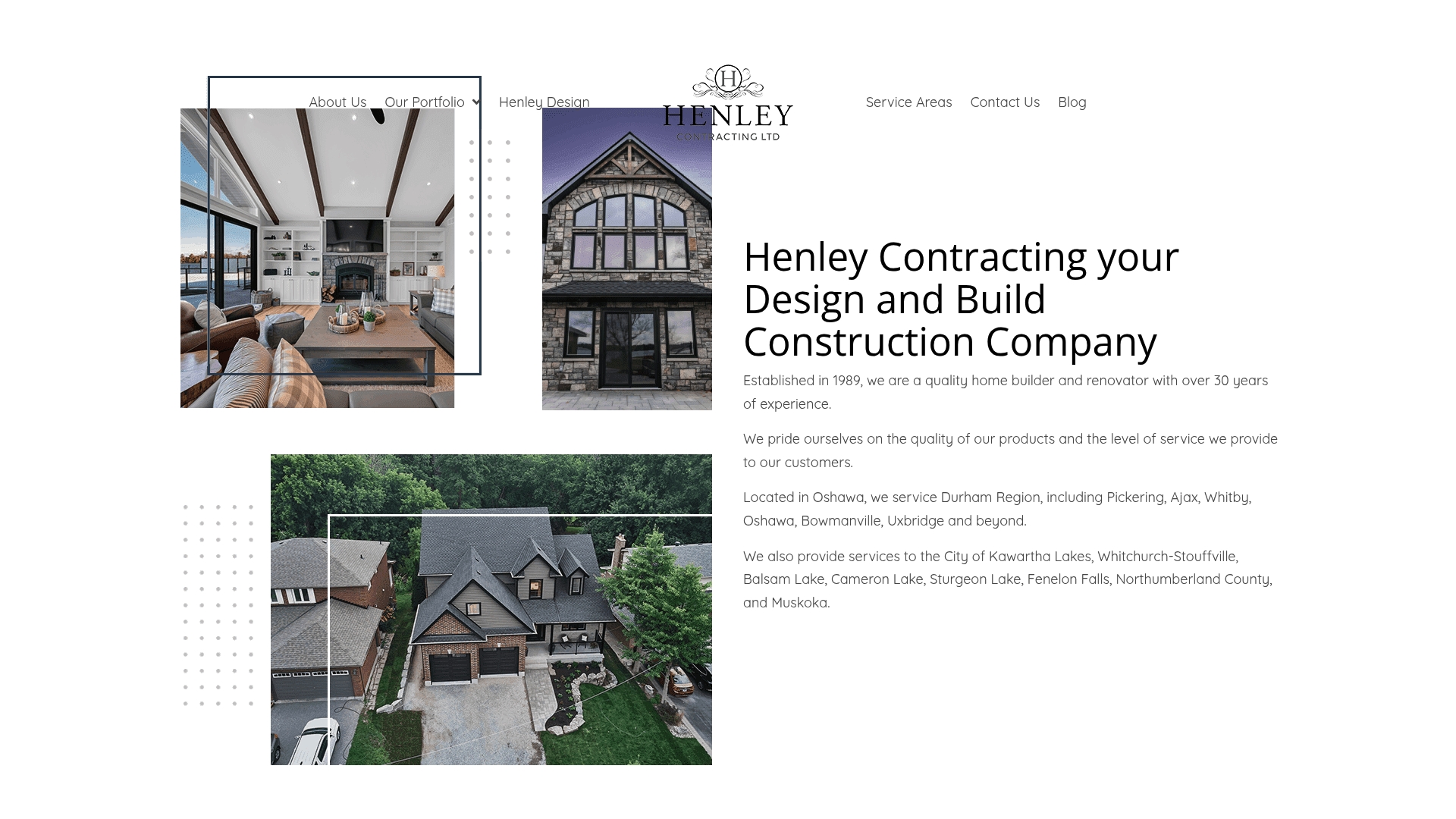
At Henley Contracting, we understand these pain points and offer comprehensive support through our proven expertise in Custom Build. With over three decades of experience serving Durham and surrounding regions, our team guides you through each phase of construction. From initial planning to final inspections, we prioritize clear communication, transparent budgeting, and meticulous project management to bring your vision to life with confidence.
Ready to transform your ideas into a beautifully constructed home that meets your unique needs and local regulations? Contact Henley Contracting today at https://henley.digibundletool.com to start your custom home project right. Explore our expert Engineering and renovation services to fully tailor your residence to your lifestyle and preferences.
Frequently Asked Questions
What are the first steps to start a custom home construction project?
Starting a custom home construction project begins with assessing your project needs and budget. Detail your specific requirements for each space, research local building codes, and create a comprehensive list of features to include.
How can I determine my construction budget accurately?
To determine your construction budget accurately, factor in all potential expenses, including permits, materials, and contingency funds for unexpected costs. It is advisable to allocate 10-15% of your total budget for contingencies to ensure financial readiness.
What should I look for when selecting a contractor for my custom home?
When selecting a contractor, focus on their experience in custom home construction and ensure they possess the necessary licensing and insurance. Request written estimates from multiple contractors and verify their references to assess their reliability and quality of work.
What types of permits do I need for my custom home construction?
You will need various permits based on local regulations, including building permits and possibly zoning approvals. Schedule a consultation with your local building department to ensure you gather all necessary documentation before beginning construction.
How can I ensure quality during the construction process?
To ensure quality, conduct thorough inspections at various stages of the construction process. Use a checklist for each inspection, and consider hiring a third-party inspector to provide an unbiased assessment of the work completed.
What should I include in my construction project schedule?
Your construction project schedule should include timelines for material procurement, labour allocation, and milestone dates. Develop a dynamic timeline in collaboration with your contractor to account for potential delays and ensure smooth project progression.
Recommended
- Residential Construction in Ontario – What Homeowners Need to Know
- What Is Custom Home Construction in Ontario?
- Step-by-Step New Home Build Process for Canadians
- What Is a Construction Contract in Ontario Homes
- Top ampoules halogènes comparaison – Meilleur choix 2026
- Step-by-Step Guide to Residential Relocation Success