

Step-by-Step New Home Build Process for Canadians
Most Canadian homeowners underestimate just how many decisions go into building a new house from scratch. With average construction costs now exceeding $300 per square foot in major Canadian cities, a thoughtful approach from the start can save you both money and stress. Whether you are dreaming of a contemporary retreat or a family-friendly classic, this guide breaks down every essential step for bringing your ideal Canadian home to life without costly surprises.
Table of Contents
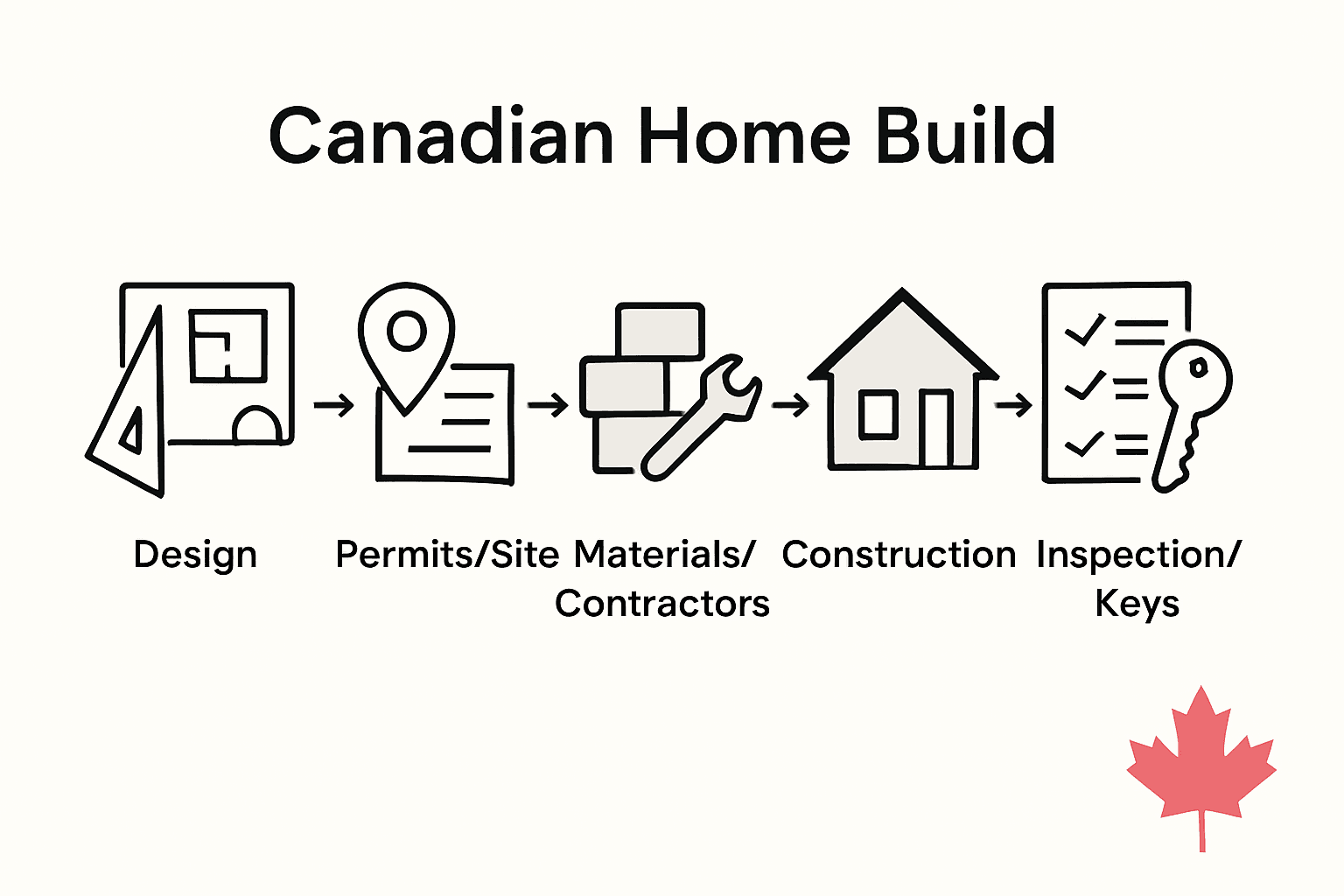
- Step 1: Define Your Vision And Prepare Your Budget
- Step 2: Secure Permits And Select Your Building Site
- Step 3: Choose Materials And Hire Trusted Contractors
- Step 4: Oversee Construction And Monitor Progress
- Step 5: Inspect, Verify Quality, And Finalize Your New Home
Quick Summary
| Key Insight | Explanation |
|---|---|
| 1. Define your vision clearly | Outline key features such as layout and style that reflect your immediate and future needs for your new home. |
| 2. Budget effectively and include all costs | Track one-time and ongoing expenses to ensure financial readiness and work with professionals for realistic budgeting. |
| 3. Research permits and site factors | Understand local zoning laws and site specifics to avoid costly delays and ensure compliance with regulations. |
| 4. Choose reliable contractors and materials | Investigate contractor credentials, seek multiple quotes, and ensure materials meet local building standards for quality assurance. |
| 5. Conduct thorough inspections before finalizing | Engage in detailed final walkthroughs and independent assessments to verify quality and compliance before taking possession of your new home. |
Step 1: Define your vision and prepare your budget
Building a new home starts with crystallizing your dream and mapping out financial realities. This critical first phase sets the foundation for your entire construction journey, helping you transform abstract ideas into a concrete plan that balances imagination with fiscal responsibility.
Begin by sketching a comprehensive picture of your ideal home. What features matter most to you? Consider layout, number of bedrooms, architectural style, and specific must-have elements like an open kitchen or home office. Your vision should reflect both your current lifestyle and anticipated future needs. Next, assess your financial landscape thoroughly. The Financial Consumer Agency of Canada offers an excellent worksheet to help track potential expenses beyond just construction costs. Remember to include one-time expenses like land purchase, permits, and design fees, as well as ongoing costs such as property taxes, utilities, and maintenance.
Work closely with financial professionals to determine a realistic budget that aligns with your vision. National Bank recommends assembling a qualified team of professionals who can provide accurate cost estimates and help you navigate potential financial challenges. Create a buffer of 10-15% above your estimated budget to account for unexpected expenses or design modifications.
Here’s a summary of essential one-time vs. ongoing costs to consider when budgeting for a new home:
| Cost Type | Examples | Timing |
|---|---|---|
| One-Time Expenses | Land purchase, permits, design fees | Before/early build |
| Ongoing Expenses | Property taxes, utilities, maintenance | Throughout ownership |
Professional tip: Before finalizing your budget, get multiple quotes from contractors and compare them meticulously. Don’t just look at the bottom line seek detailed breakdowns that reveal potential hidden costs or scope variations.
Step 2: Secure permits and select your building site
Securing the right permits and choosing an ideal building site form the critical groundwork for your home construction project. This step transforms your vision from abstract concept to potential reality by establishing legal and geographical foundations.
Begin by thoroughly investigating local zoning regulations and municipal requirements. Canadian municipalities offer comprehensive permit resources through services like BizPaL, which streamlines the process of identifying necessary documentation for your specific project. Each region has unique building codes and land use restrictions, so understanding these details is crucial. You will need to collect multiple permits potentially including development permits, building permits, environmental assessments, and land use approvals.
Carefully evaluate potential building sites based on several key factors: soil composition, topographical features, drainage patterns, access to utilities, and proximity to local infrastructure. Research the specific permit requirements for residential construction in your local jurisdiction, paying close attention to setback requirements, maximum building height, and lot coverage limitations. Engage a professional land surveyor to conduct a comprehensive site assessment, which can reveal potential challenges or opportunities that might not be immediately apparent.
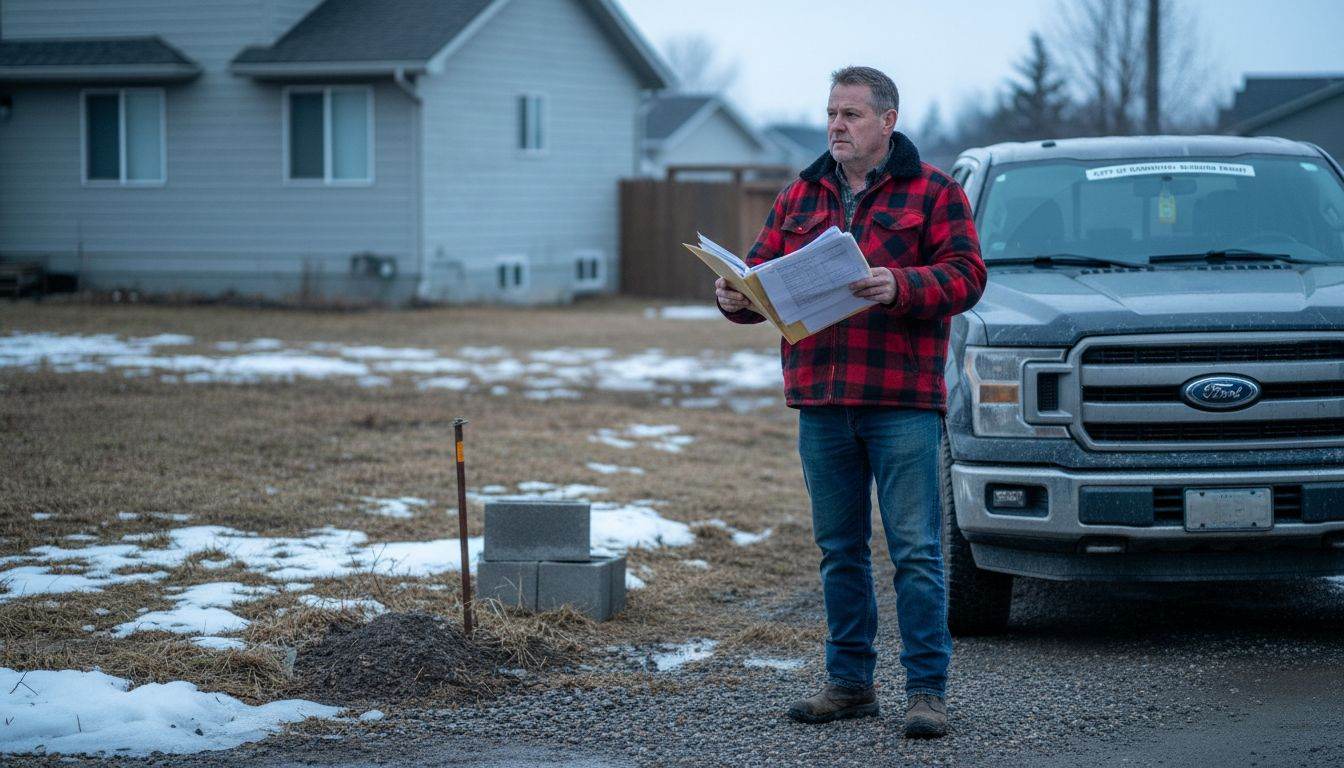
The table below compares typical permit and site factors affecting your build:
| Permit/Site Factor | Impact on Project | Why It Matters |
|---|---|---|
| Zoning Restrictions | Limits design and use | Ensures legal compliance |
| Soil Composition | Affects foundation choice | Influences construction safety |
| Utility Access | Determines service readiness | Impacts build cost/timeline |
Professional tip: Always request a pre application meeting with local municipal planning officials. These consultations can provide invaluable insights into potential regulatory challenges and help you streamline your permit acquisition process before significant financial investments.
Step 3: Choose materials and hire trusted contractors
Selecting the right materials and assembling a skilled team of contractors are pivotal steps that will determine the quality and success of your home construction project. This phase transforms your architectural plans into tangible reality through strategic material selection and professional expertise.
Begin by thoroughly researching construction materials that balance durability, aesthetic appeal, and budget considerations. Consider factors like local climate, energy efficiency, and long-term maintenance requirements when selecting building components. The Canadian Home Builders’ Association offers comprehensive resources for understanding material selection and contractor standards, providing valuable guidance for homeowners navigating this complex process. Prioritize materials that meet Canadian building codes and offer optimal performance in our unique environmental conditions.
When hiring contractors, conduct meticulous due diligence beyond basic recommendations. Request comprehensive portfolios, verify professional credentials, check references, and verify insurance coverage. Obtain multiple detailed quotes that break down labour and material costs transparently. Verify contractor credentials through the reputable contractor selection guide to ensure you partner with professionals who align with your project vision and quality standards. Establish clear communication channels and detailed contracts that outline expectations, timelines, and potential contingencies.
Professional tip: Always request a written contract that includes specific material specifications, exact project timelines, payment schedules, and comprehensive warranty details before committing to any contractor or material purchase.
Step 4: Oversee construction and monitor progress
Overseing construction requires active engagement and strategic monitoring to ensure your home build progresses smoothly and meets your expectations. This critical phase transforms your carefully laid plans into physical reality, demanding consistent attention and proactive management.
National Bank’s construction guide highlights the key phases of home building, providing a roadmap for understanding the intricate stages of your project. Develop a systematic approach to monitoring progress by establishing regular site visits and communication protocols with your primary contractor. Create a detailed tracking spreadsheet that documents each construction phase including excavation, foundation work, framing, roofing, and interior installations. Pay close attention to critical milestones and potential bottlenecks that could impact your project timeline.
Maintain comprehensive documentation throughout the construction process. Take consistent photographs documenting each stage of development, which serve as both a visual progress record and potential evidence if disputes arise. Schedule weekly meetings with your project manager to review progress, discuss any emerging challenges, and ensure alignment with original design specifications. Detailed construction timelines from Canadian home building resources can help you benchmark your project’s progression and identify potential delays early.
Professional tip: Establish a dedicated communication channel with your contractor and request immediate notification of any unexpected developments or potential cost variations that might impact your original project plan.
Step 5: Inspect, verify quality, and finalize your new home
The final stage of home construction represents a critical moment where your vision transforms into a tangible living space. This phase demands meticulous attention to detail, ensuring every aspect of your new home meets your expectations and adheres to professional building standards.
National Bank’s comprehensive construction guide emphasizes the importance of thorough final inspections, highlighting the need for systematic verification of all home systems and construction elements. Conduct a comprehensive walkthrough with your primary contractor, methodically examining every room, electrical connection, plumbing fixture, and structural component. Document any discovered imperfections or areas requiring adjustment, requesting immediate remediation before final acceptance. Pay special attention to hidden structural elements, mechanical systems, and finishing details that might compromise long-term home performance.
Detailed home construction resources recommend multiple inspection phases to guarantee comprehensive quality assurance. Engage a professional home inspector to provide an independent assessment, verifying that all construction meets or exceeds local building codes and manufacturer specifications. Request comprehensive documentation including warranties, maintenance guidelines, and system operation manuals for all installed equipment. Verify that all municipal occupancy permits and necessary certifications have been obtained, ensuring your new home is legally prepared for habitation.
Professional tip: Create a comprehensive punch list during your final walkthrough and insist on written confirmation that each identified issue will be addressed before you make final payment or take possession of your new home.
Take the Next Step in Your Custom Home Build with Confidence
Building your dream home in Canada is a journey filled with important decisions from budgeting and permits to material selection and quality assurance. If you are feeling overwhelmed by managing these complex steps or want a trusted partner who understands the nuances of local regulations and craftsmanship, Henley Contracting is here to help. With over 30 years of experience serving homeowners in Oshawa, Durham, Kawartha Lakes, and beyond, we specialize in custom builds that bring your vision to life while keeping your project on budget and on schedule.
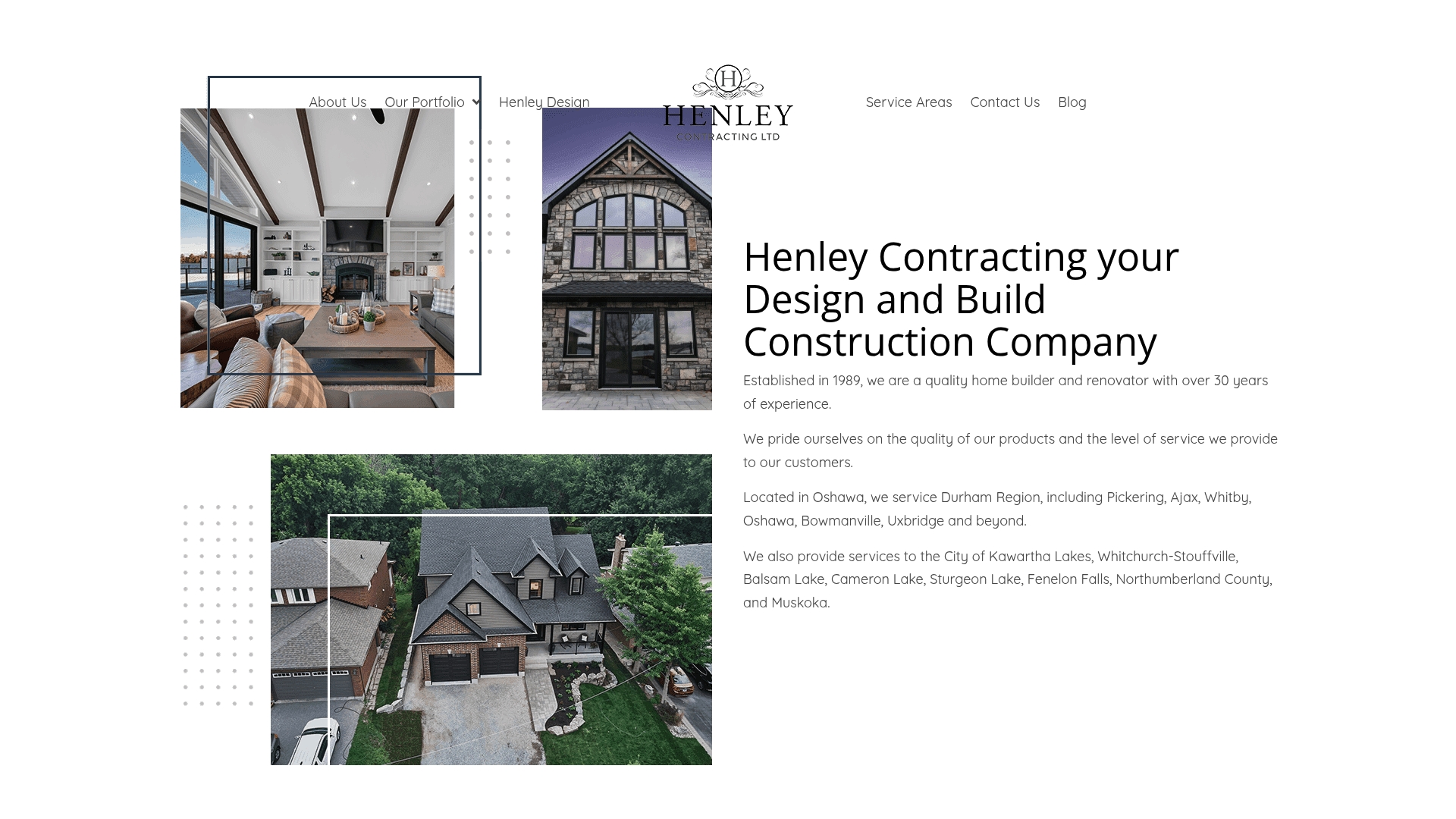
Discover how our dedicated team can streamline your new home construction process by offering expert guidance in everything from initial design to final inspection. Explore our Custom Build – Henley Contracting Ltd. services to see how we combine quality workmanship with clear communication at every stage. Ready to get started with a trusted local builder who prioritizes your lifestyle needs and investment? Visit Henley Contracting today and take the first step toward turning your Canadian home dream into a reality.
Frequently Asked Questions
What should I include in my vision for a new home?
Start by listing essential features such as the number of bedrooms, layout, and must-have elements like a kitchen style. Prioritize what matters most to your family to create a clear picture of your ideal home.
How can I effectively prepare a budget for my new home build?
To prepare your budget, assess both one-time and ongoing costs, including land purchase, permits, property taxes, and utilities. Create a spreadsheet that details these expenses and factor in a 10-15% buffer for unexpected costs.
What permits do I need before starting my home construction?
You typically need several permits, such as development permits and building permits, based on local regulations. Research local zoning laws and consult with a professional to ensure you obtain all necessary approvals before construction begins.
How can I choose the right materials for my home build?
Research construction materials that offer durability and aesthetic appeal while staying within your budget. Evaluate options based on local climate, energy efficiency, and maintenance to make informed choices that align with Canadian building codes.
What should I do during the construction process to ensure progress is on track?
Regularly visit the construction site and maintain open communication with your contractor to monitor progress. Consider creating a detailed timeline and using a tracking spreadsheet to document each phase of the build.
How do I conduct a final inspection of my new home?
Conduct a thorough walkthrough with your contractor, checking every room, system, and finish for quality. Document any issues that need addressing and request a professional inspection to ensure all work meets local building codes before final acceptance.
Recommended
- How to Choose the Right Contractor for a Custom Build – Henley Contracting Ltd.
- Homeowner’s Guide to Renovations and Additions – Henley Contracting Ltd.
- Designing a Multi-Generational Home That Works for Everyone – Henley Contracting Ltd.
- Blog – Henley Contracting Ltd.
- The Home-Buying Timeline in Ontario – Fanis Makrigiannis
Realtor®